


Laying out seismic recording instruments along a line, then planting explosives and setting them off is called "shooting a line". So how did we shoot a line?
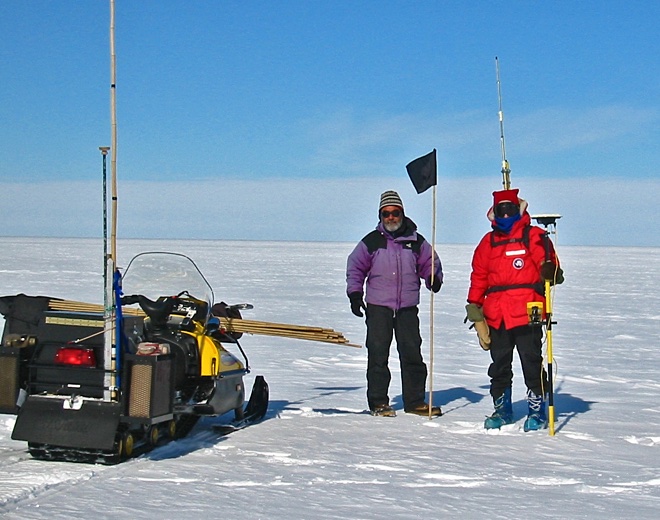
Setting off explosives and recording the returned seismic waves are only the end of a long list of activities that were required to do the seismic work. The first step was to get out our GPS systems and survey the line. This was usually preceded by someone pouring over maps and images to determine where the lines were to be placed. For our lines two teams of people went out and placed flags where each of the shot holes were to be drilled, and where some of the sensors were to be placed.
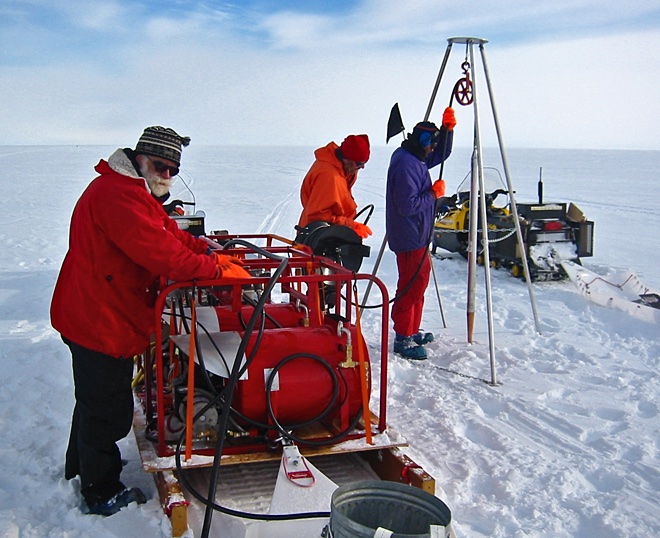
Next came the drillers. Most of our shot holes were placed 300 meters apart along the lines. The lines ranged from five kilometers to thirty-five kilometers in length. That added up to plenty of holes. Santa Claus ran the boilers for the hot water drill.
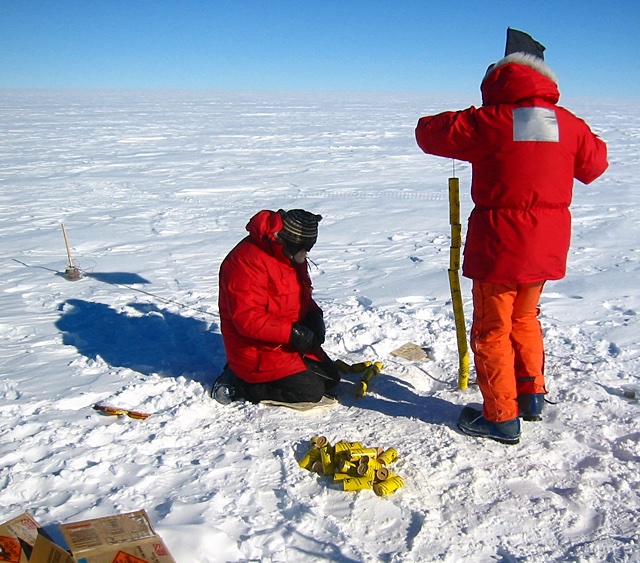
Next the explosives were placed into the holes. Sometimes this was done before shooting began on a line, and sometimes it was done as the shooting progressed. Above is a picture of a hole being loaded for one of the few large shots that we made. Most of the shots were only one or two of the yellow explosives.
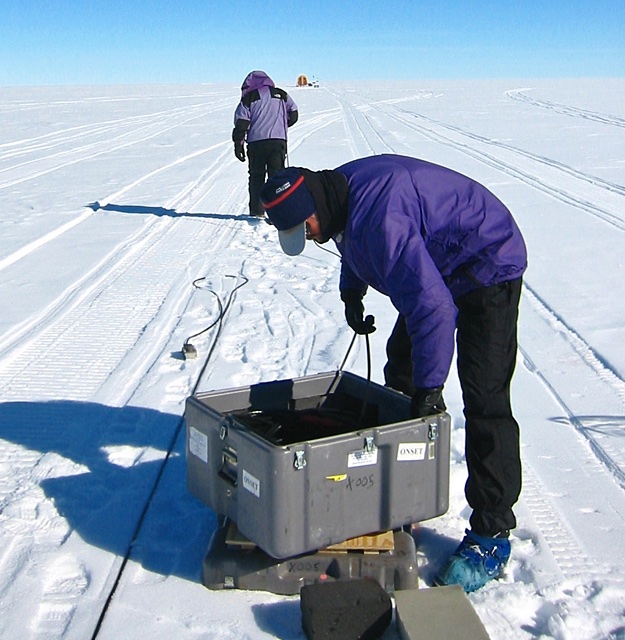
Along with the drilling and hole loading came the laying out of the cables. This experiment had 1.2 kilometers of cable in eight sections. They were all laid out in a straight line before the first hole, and then moved (leapfrogged, actually) two sections (300 meters) at a time after three shots in two different holes were set off.
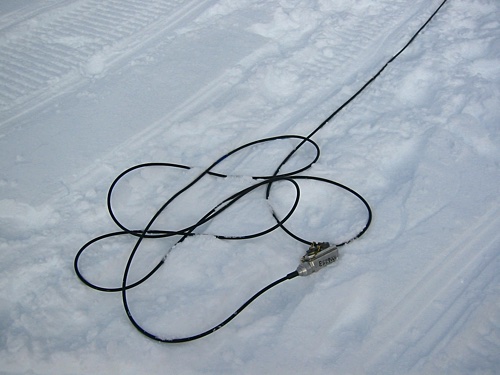
These cables had enough wires in them to carry the signals from 60 geophone sensors back to the seismic recording equipment.
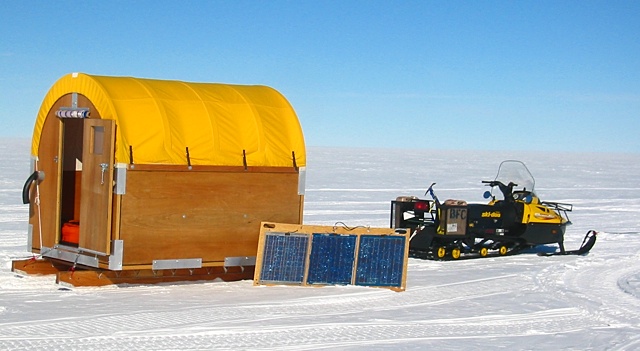
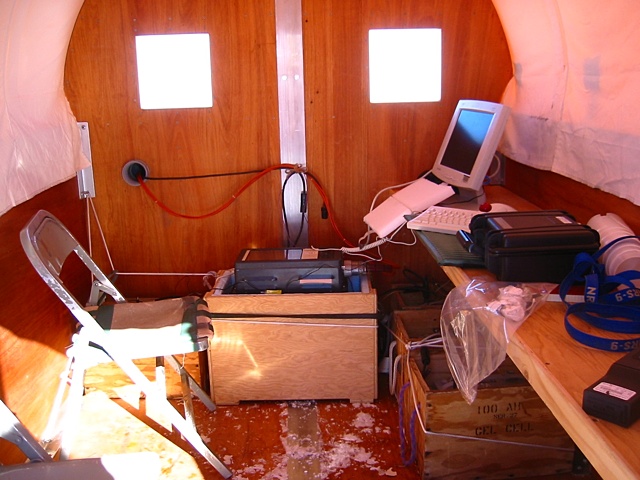
Before shooting the recording equipment was installed into the two Conestoga huts which were hauled out to the beginning of the shot lines and connected to the cables. Half of the cables were connected to each of the huts. A solar panel array was used to keep the batteries that ran the recording equipment in the huts charged up during the day, which was 24 hours of sunlight, which was a good thing when the weather was bad and there wasn't a whole lot of sunshine. We only had to leave a small generator running at each of the huts once to charge the batteries while we slept. The weather had been such that there just hadn't been enough sunlight to keep the batteries charged up.
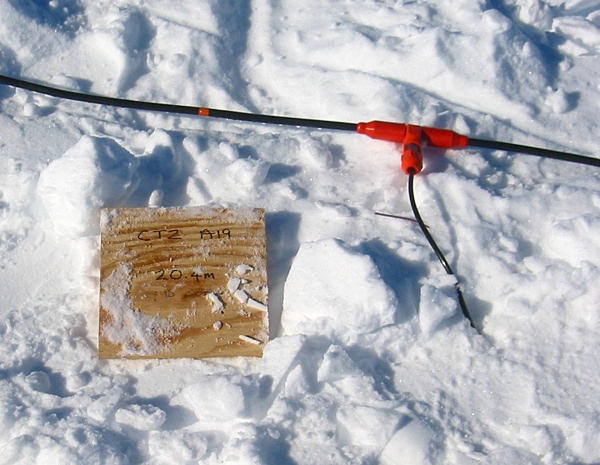
All 120 geophones had to be buried and connected to the cable.
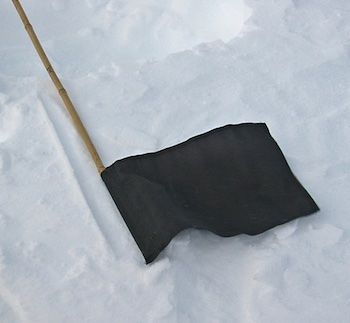
Most of the time there was a breeze blowing. Anything that could make any noise along the line had to be tied down to keep the geophones from 'hearing' anything other than the shock waves from the explosions.
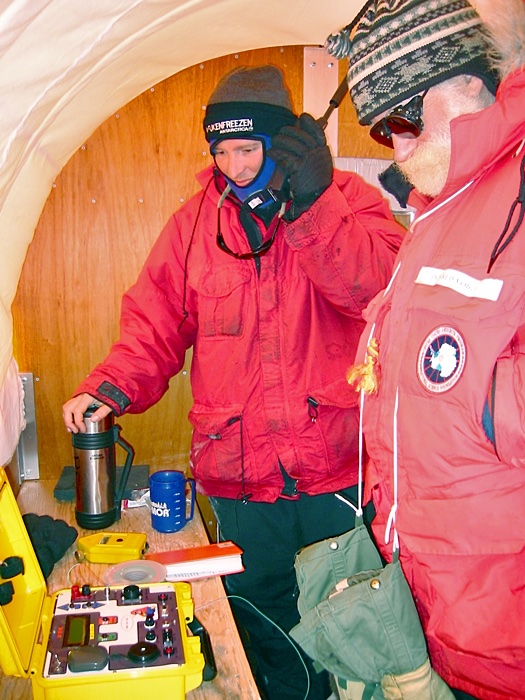
We had to set up a communications system. For most of the shots the shooter, the person in the front hut running the equipment connected to the first 60 geophones, and the person in the back hut running the equipment connected to the second set of 60 geophones were close enough to communicate by walkie-talkies. Shooting and recording was coordinated by the person in the front hut. For the larger shots the distances between the recording huts and the shot points were tens of kilometers. For these shots we used Iridium satellite phones as in the picture above. Santa Claus also helped set off the explosions too.
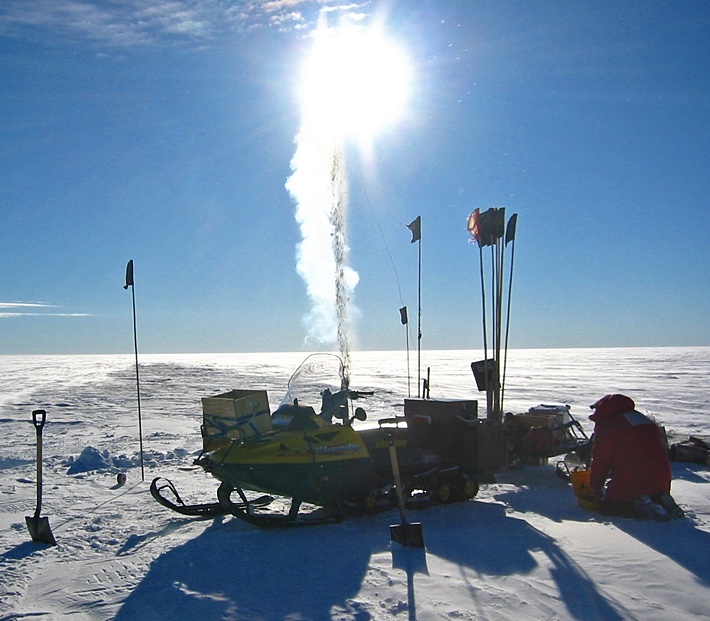
The shots had to be coordinated. Once everything was ready the shooter and the people in each hut would set up their identical shot boxes to go off at the top of the next minute. The shot box at the shot point would set off the explosives and the shot boxes in the instrument huts would trigger the recorders. Boom. Actually it was more like a "pop" and a "whoosh" sound.
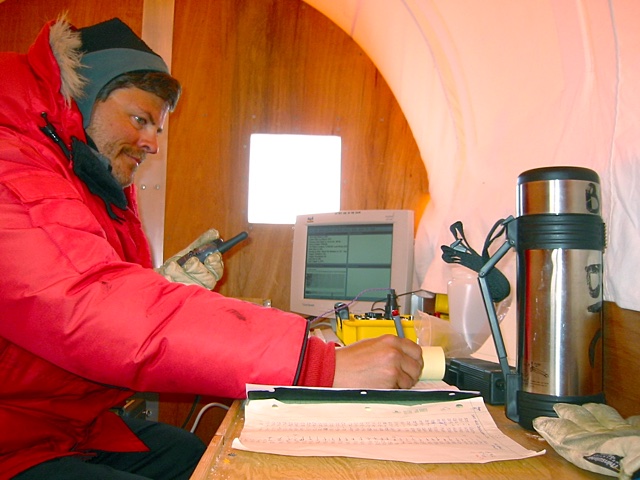
We needed to verify the results. Once the recording was complete (four seconds after the explosives were set off) a plot of the "wiggles" would come up on the computer display so it could be verified that the shot had been recorded.
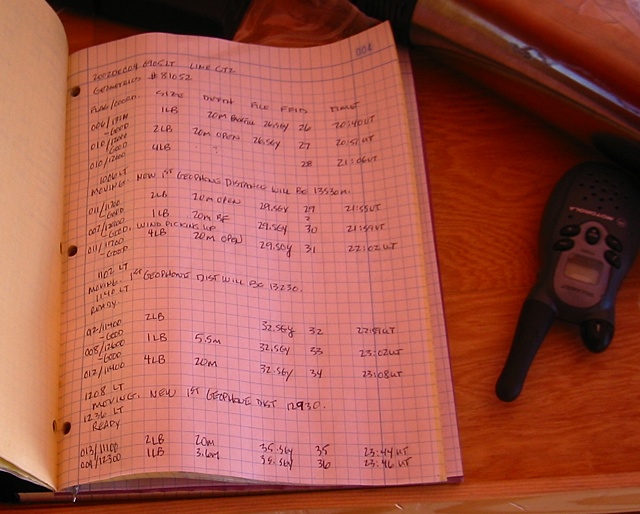
Like other things in life a shot couldn't be considered finished until the paperwork had been done. There was always plenty of paperwork for each shot so we could keep track of which data file on the disk of the recorder went with which explosion.
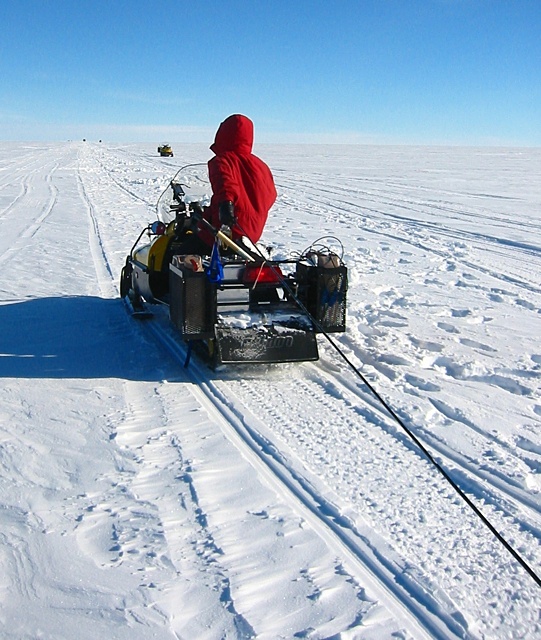
Location location location. Once the shooting for a particular location was finished (usually three explosions), 30 of the geophones were disconnected and dug up, two sections of the cable were then drug to the front of the cable line, the huts were both moved up 300 meters and reconnected, the 30 geophones were replanted in their new locations, and the whole shooting process was repeated until the line was finished. About 14 of these moves could be accomplished on a good day. At 300 meters per move the 10 kilometer long lines required over 30 moves. When an entire line was finished the whole camp was picked up and our little nomadic tribe moved on to the next work area to start the whole process all over again.
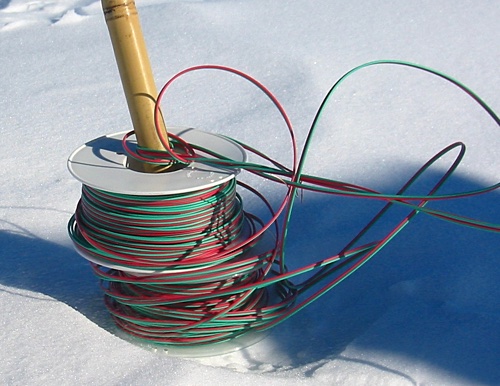
This job ran through the holiday season so it was only appropriate that the wires to the explosive detonators were green and red.
2018-03-05