


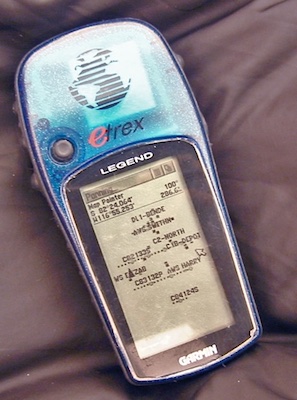
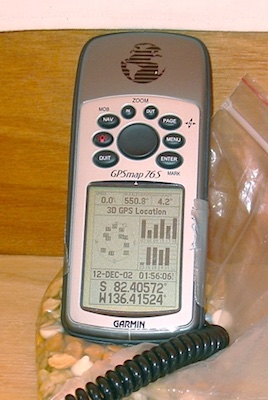
I had two GPS receivers with me. Some others had more, so I wasn't THAT bad. Mine were the Garmin etrex Legend, and GPSmap76S. I used the Legend a lot around McMurdo because of its small size, but when we moved out into the field I ended up using the 76S almost all of the time, and just kept the waypoints in the Legend matched up with those in the 76S as a backup. The larger track memory of the 76S (5000 track points, and then 10,000 after a software update) was better for traveling, since I couldn't always download the track logs of our daily travels to my laptop everyday, and the larger screen was easier to read as the kilometers bounced away on the snowmobile. The built-in barometer came in handy since there was no 10 o'clock news to tune in to for tomorrow's weather. The waypoint averaging feature of the 76S was also a necessity.
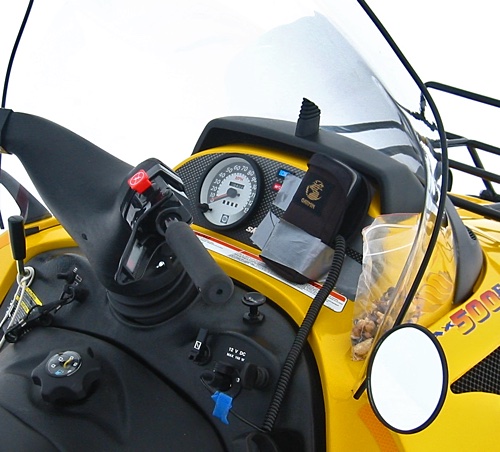
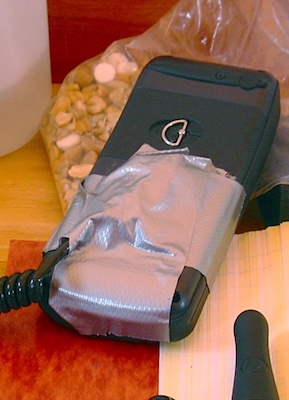
I didn't bring any mount for the 76S (I really didn't know I was going to be doing so much traveling), so I just duct taped the Garmin canvas bag to the dash of the snowmobile to record the tracks. I wasn't leading the pack, except when heading for confluence points, so I didn't need to see the screen all of the time. It would have been handy to have had a mount when trying to find my way around during whiteout conditions, though. Without the official Garmin mount the power plug would have kept falling out of the back of the receiver, so I used a bit more duct tape to keep it in place. Yes, duct tape will stick to stuff in Antarctica, but it has to be applied when the tape is warm for best results. Once the tape freezes it is almost impossible to remove, which goes for just about any kind of tape down there. At some point during the expedition the power cord failed, so I switched to 1800mAh rechargeable NiMH batteries. They, and the Maha battery charger from Thompson Distributing (where everyone gets this equipment from), worked quite well. The charger could be powered from the cigarette lighter, so I just kept the charger under the seat of the snowmobile charging batteries as we went along the trail. A set of batteries would usually last most of the day even with it being as cold as it was.
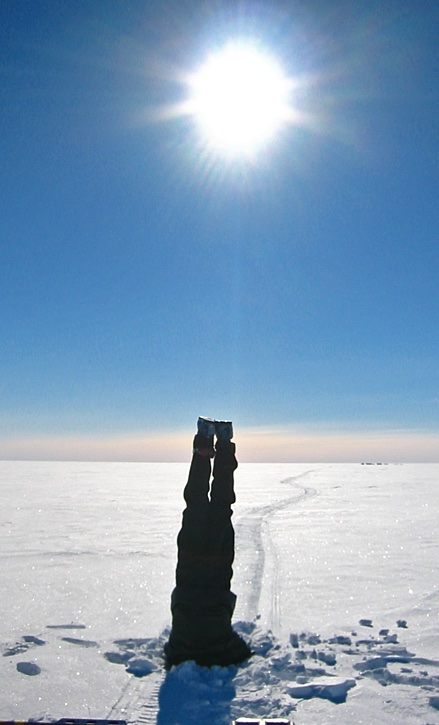
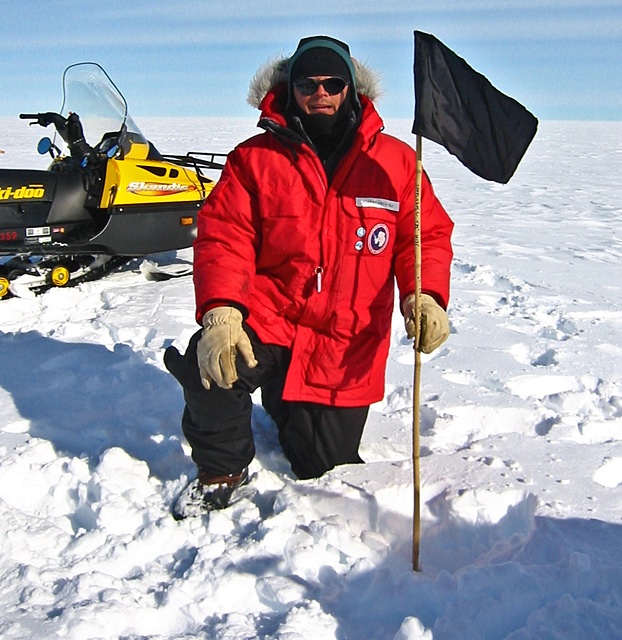
Have GPS, will confluence point hunt. When I came down in October 2002 there were NO confluence points done in Antarctica with the exception of the South Pole. How pitiful! During our 2500 kilometer long trek I did my best to catch as many points as time would allow. I ended up bagging four. Above is Shad O'Neel doing a headstand at 81S 126W, and me next to the flag that we left at 82S 131W. You can read more about these confluence point visits at www.confluence.org and the specific links 81S126W, 82S131W, 82S120W, and 81S125W.
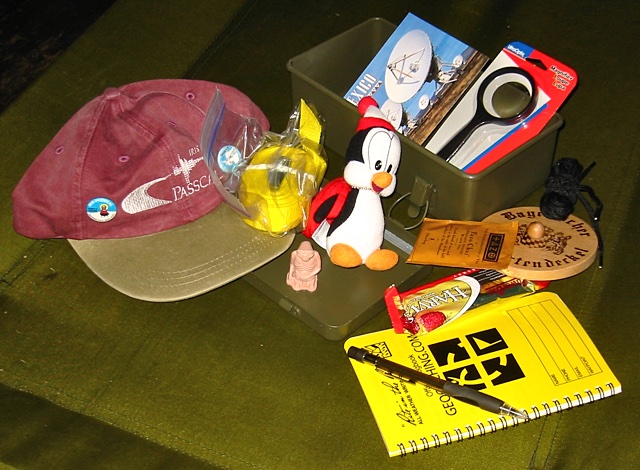
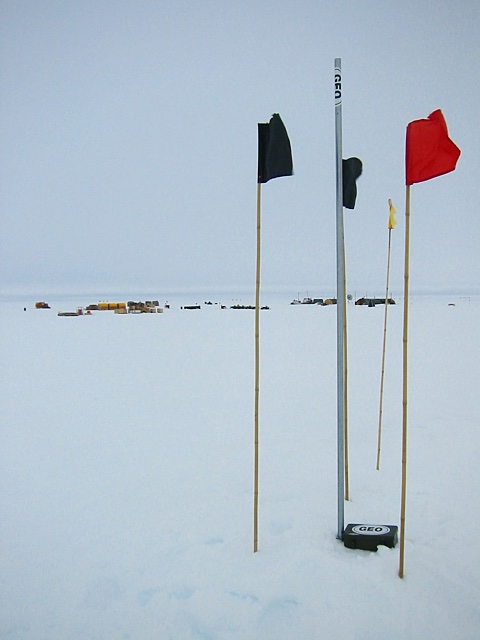
I left two geocaches in Antarctica. One is at the site of the Onset-D camp in West Antarctica. Above is a picture of the contents that I left, and the next picture was what the site looked like when I finished putting it in. By the time anyone gets there all of the buildings and equipment in the background of the second picture will be gone. The Onset-D camp was only set up to support this project the previous season and this season. The nickname of the cache is "Chilly Willy At Onset-D". That's Chilly Willy in the middle of the picture above. (2004: This geocache was moved to Byrd Surface Camp when the Onset-D Camp was dismantled.)
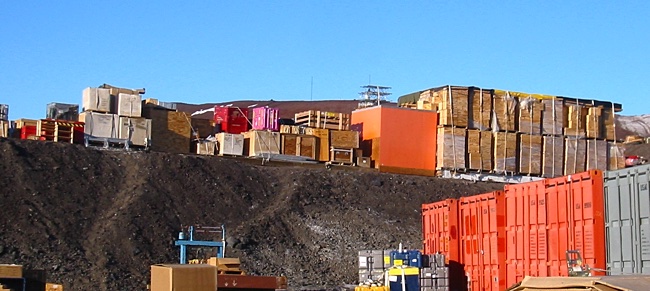
The other cache is in McMurdo disguised as what is known as a Winter-over box, and it is somewhere in the picture above. At least it was when I left it. Pray that I didn't put it in the stacks of objects on the right side of the picture. They are the same kind of box as the one that the cache is in. There were fewer items in this cache since stuff is easier to come by in McMurdo than it is at Onset-D. The nickname of this cache is "Chilly Willy At McMurdo". See www.geocaching.com for more information on both caches.
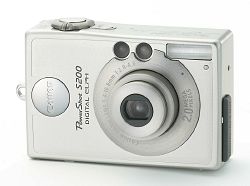
All but the few pictures that are noted on these pages were taken with my trusty Canon S200 digital camera. While I did keep it in an inside pocket of my coat as much as possible the cold never seemed to affect it. It snapped about 5750 pictures during the three month trip, and never screwed up any of them. That was my job.
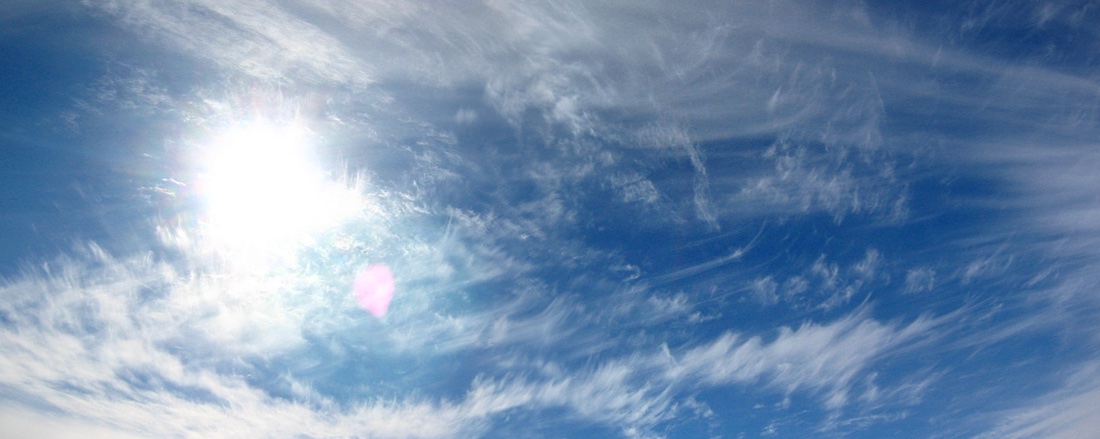
Some of the cloud formations were really nice. The clouds in the areas where we traveled were a lot like the clouds in the doldrums near the equator. They never seemed to really be going anywhere. They were just hanging there one minute and were gone the next.
2018-03-05