


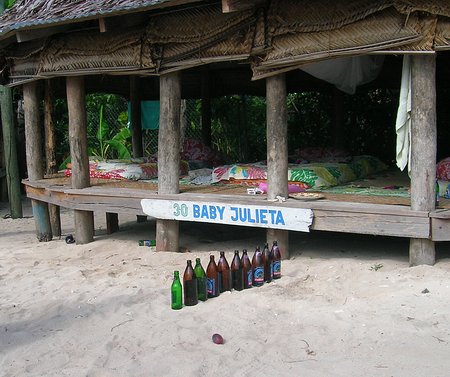
When in Savai'i, live like a Savai'ian. There are many places on the island, and several places in a row along the road near the village of Manase in northwest Savai'i that have turned themselves into beach resorts. The one we stayed at was the Tanu Beach Fales.
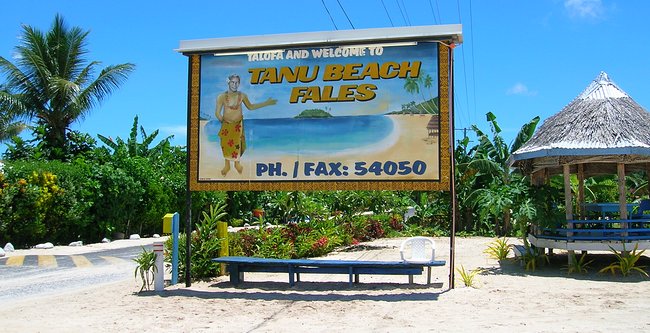
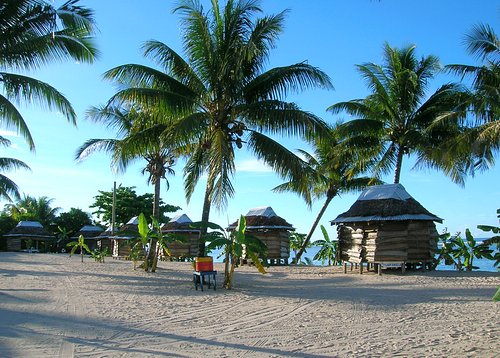
There were about 25 beach fales at the resort that could hold anywhere from two to four or five people each.
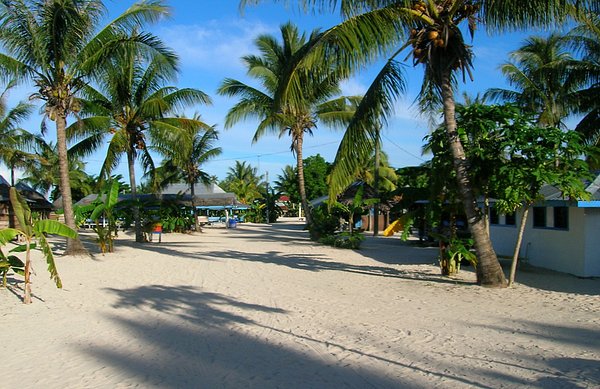
Breakfast and supper were included in the price and they were served in a central courtyard on three long tables.
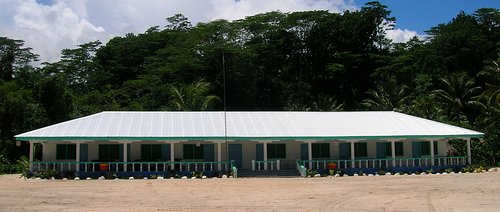
If you weren't up to camping on the beach the resort had a building with nine hotel-like rooms across the road. It just wasn't as exciting as the fales.
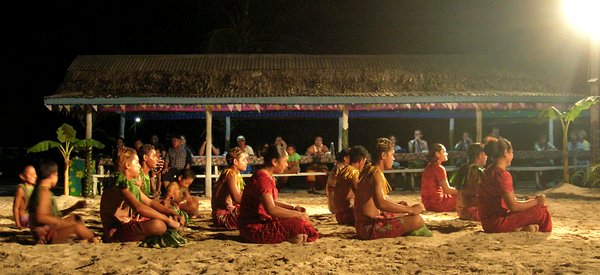
All of the people that worked at the resort were from the same extended family. On Wednesday evenings, and other special occasions, the folks had or put on (I'm not sure which) a fia fia. This was a traditional Samoan...party.
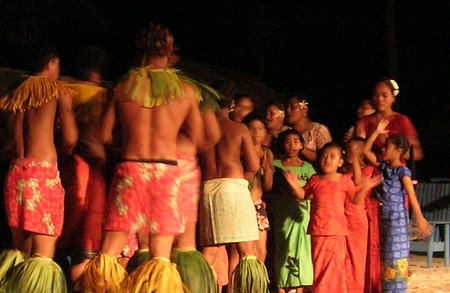
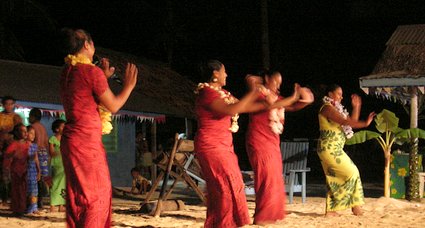
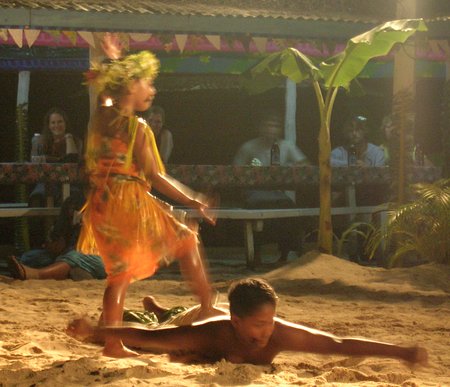
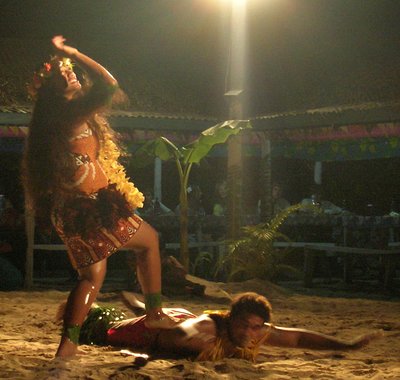
I don't know what this particular dance was called. It was performed by a young couple and then an older couple, but there was something slightly disturbing about the way it always ended.
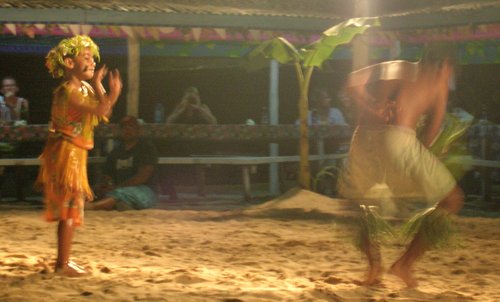
All of the songs were traditional Samoan songs blasted out of a traditional amplified sound system.
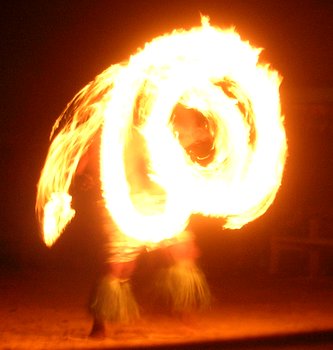
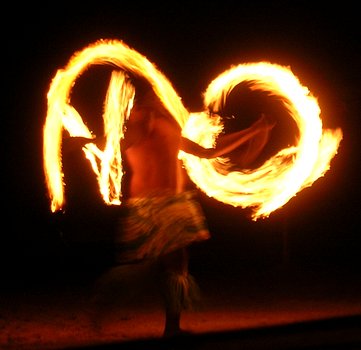
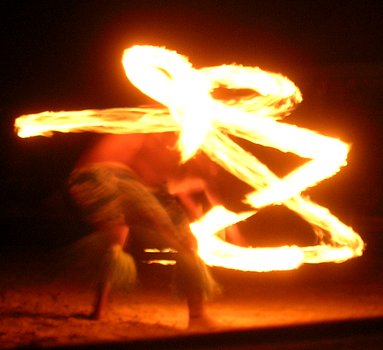
One of the boys, the son of the emcee, was pretty good at playing with fire in a traditional Tongan fire dance. He was 11 years old and was already a local champion!
Here's that dance again. The man jumps and tumbles wildly around the woman who casually performs slow, hula dance-like movements. Then at the end...
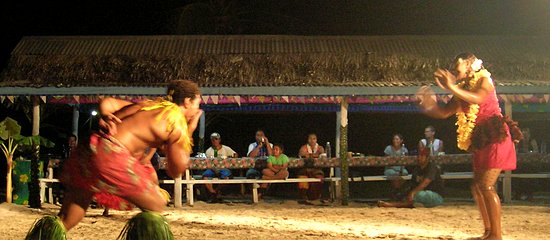
Yup. Something is just not right here.
Morning on the beach looking one direction...
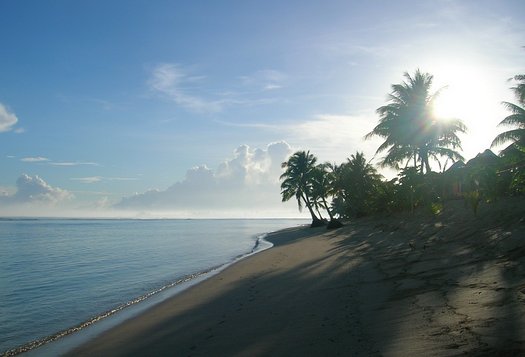
...and the other direction. The recent typhoon history had been particularly hard on the resorts in this area and the beach dropped off a lot more suddenly than in earlier pictures of the resort that I saw. The drop would catch you by surprise in the dark, especially after a few Vailimas.
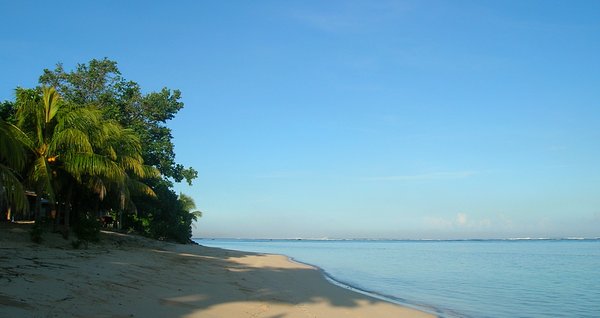
It was hot...OK?!
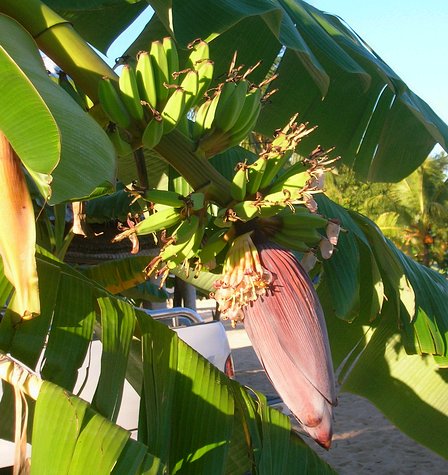
The picture below is just in case you've never seen where bananas come from. No -- storks don't bring them like they do babies. Each banana tree has one stalk that starts growing up, but then bends toward the ground as the weight increases. The black tips on the ends of bananas (where you hold them as you peel them) is what is left of a flower blossom. The blossom has dried up and fallen off of the bananas near the top of this stalk, and are the only evidence that there is going to be a banana down near the big red thing. The big red thing, in the Philippines, was called the "heart of the banana". It's kind of a blossom for the whole stalk. It can be chopped up and cooked like cabbage. It's quite good. So are the bananas. Bananas eaten fresh from the jungle taste much better than any ones bought in a supermarket.
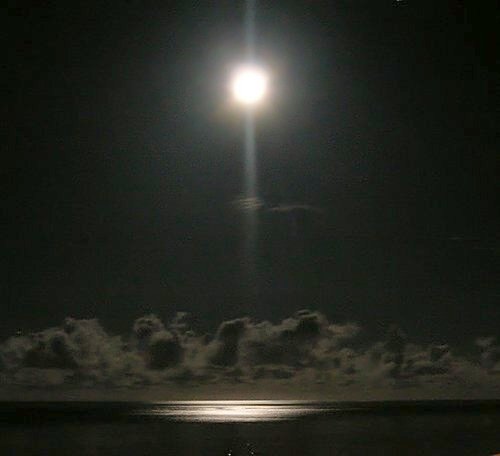
Below is a blurry picture of the full moon over the South Pacific that I took from my fale one night before going to bed. Someone had to take it.
2018-03-03