


Because McMurdo is a [Raytheon] company town things get pretty slow on Sundays. That is the only day most of the workers, and the Air National Guard pilots, have off. We made it out to Scott's and Shackleton's huts on our first big boondoggle. We had been waiting nearly a week to get out of McMurdo and out to Onset-D deep field camp, but our flights kept getting cancelled because of the weather. On a Sunday, November 17th, we went to A Room With A View, and the Pegasus Skiway.
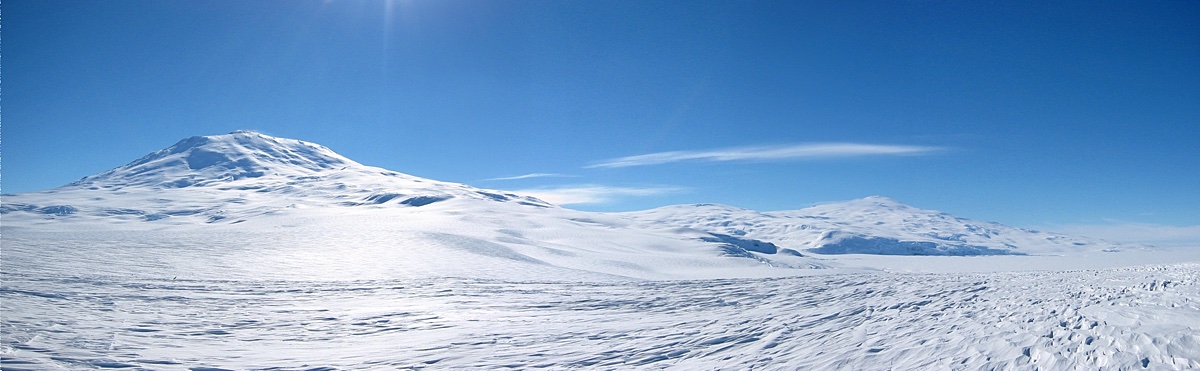
Above is a picture of three of Ross Island's favorite mountains: Mt. Erebus, Terra Nova, and Mt. Terror. A Room With A View is up about 450 meters in elevation from the surface of the sea ice. The day was perfect after several days of nasty weather, but, again, it was a Sunday, so we weren't going to be going anywhere by plane.
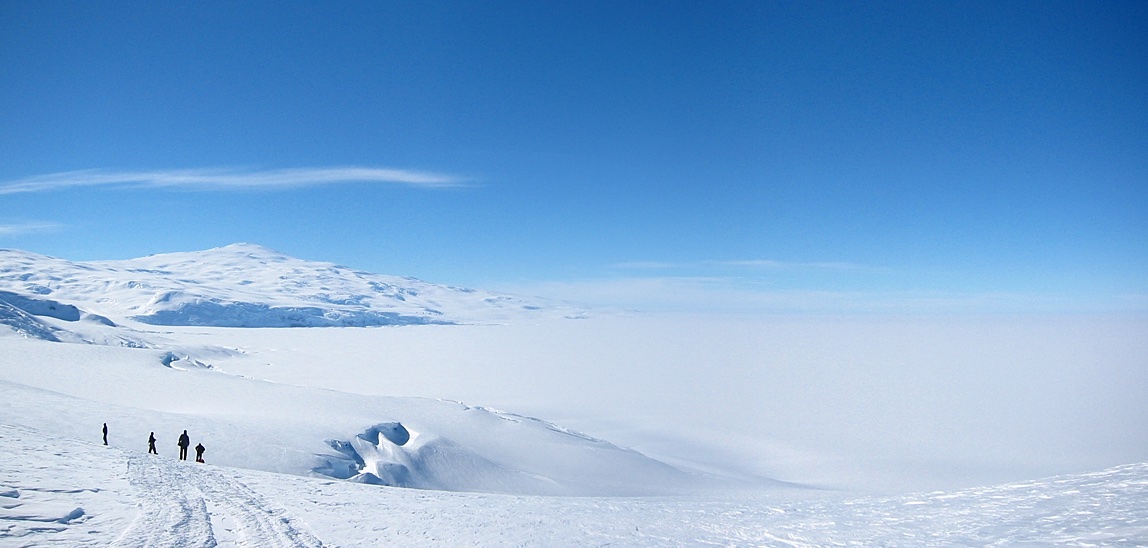
Down one side from A Room With A View in the picture above is the large, flat area called the Windless Bight. The Vee Cliffs are to left of center, the rest of the southeast coast of Ross Island is up to the center, and the beginnings of the Ross Ice Shelf are to the right of center. Over the edge was a large crevasse that was used in an IMAX movie that was made about Antarctica. We would have gone down for a look, but we didn't have enough climbing gear and rescue equipment with us in case something went wrong, so we just stood on the edge and enjoyed the view.
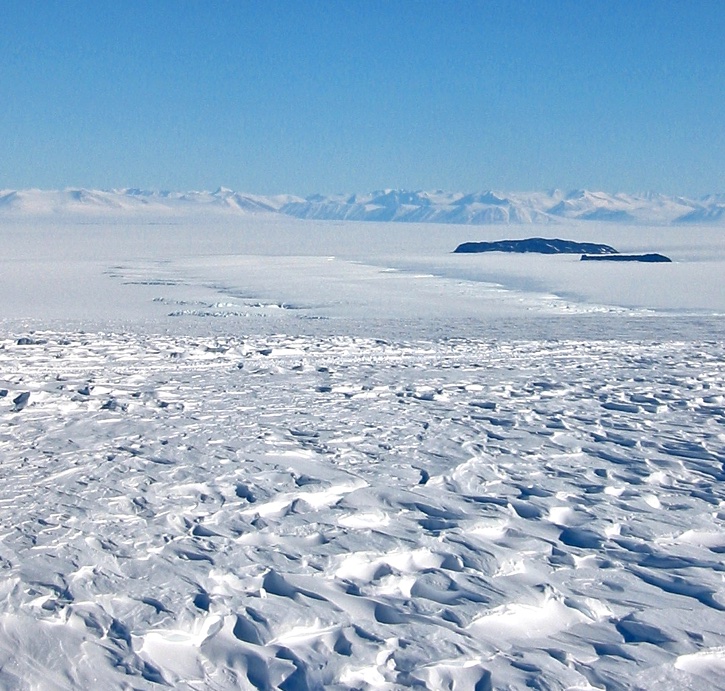
Down the other direction was the Erebus Ice Tongue which stretched out into Erebus Bay from a glacier formed on the slopes of Mt. Erebus. The large island in the picture above is Tent Island, and the small one is Big Razorback Island. We went between them on our Ski-Doos during our trip to Cape Evans and Cape Royds. The Transantarctic Mountains are in the background.
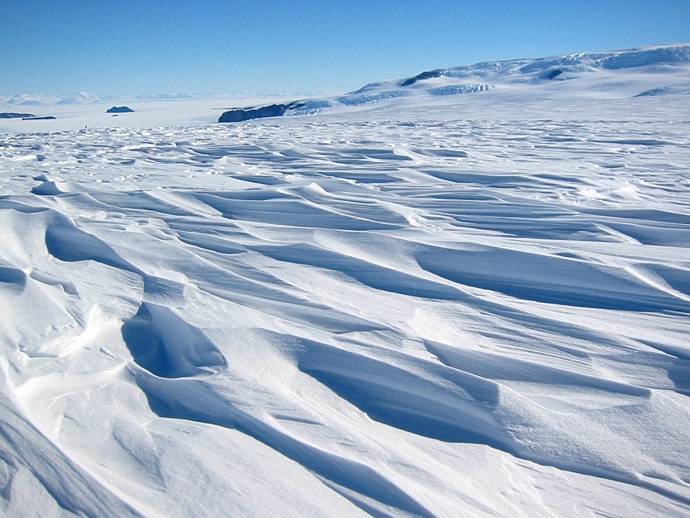
There is a name for bumps in snow carved by the wind -- sastrugi. Some of our group were up to A Room With A View three weeks earlier (while I was at snow school). At that time the snow was very smooth. Three weeks, and probably mostly from the few windy days we had during the previous week, the loose snow was blown away which left the area covered with sastrugi. The sastrugi in the picture above are actually only about 10 centimeters high, but they can be up to a couple of meters tall.
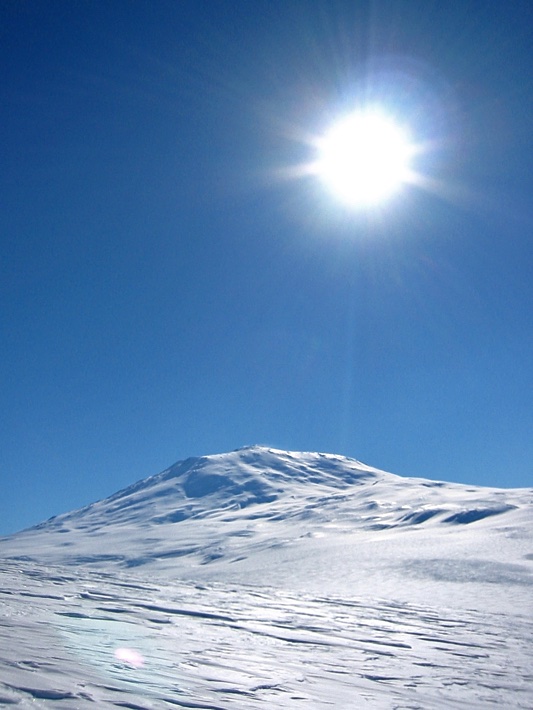
Mt. Erebus was quiet on this trip, unlike it was when we were in the area for crevasse training the week before.
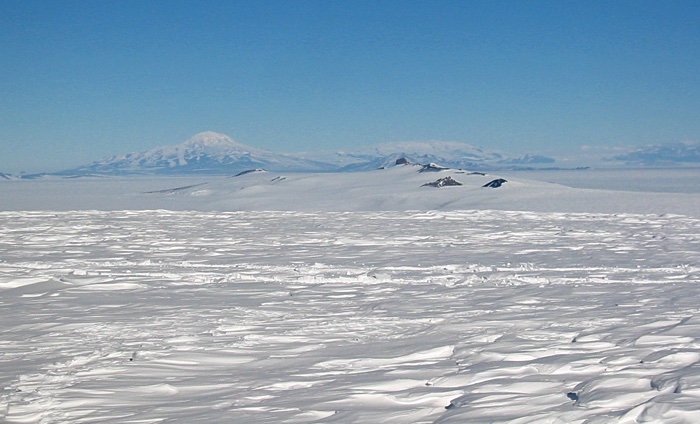
The picture above is looking down Hut Point Peninsula in the direction of McMurdo. McMurdo is over the edge of the snow and can't be seen. Mt. Discovery is across the ice in the Transantarctics, and New Zealand's Scott Base is on the sliver of land below Mt. Discovery as is the top of Crater Hill. Castle Rock is the tallest black peak of the black outcroppings.
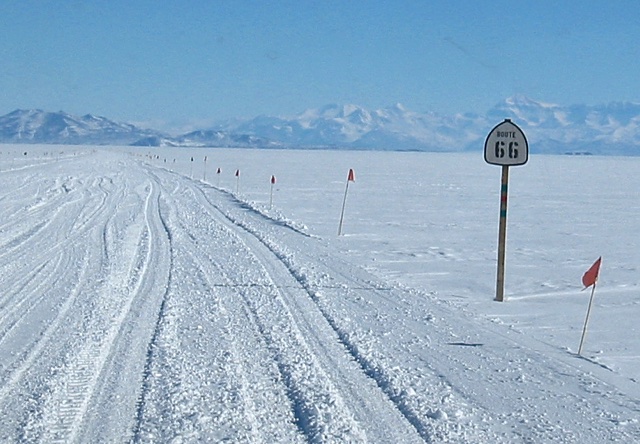
Hey! Wait a minute! I live near the real Route 66 in New Mexico, and this doesn't look anything like any part I've seen. This was the roadway that took off from near Williams Field and headed towards Pegasus Field.
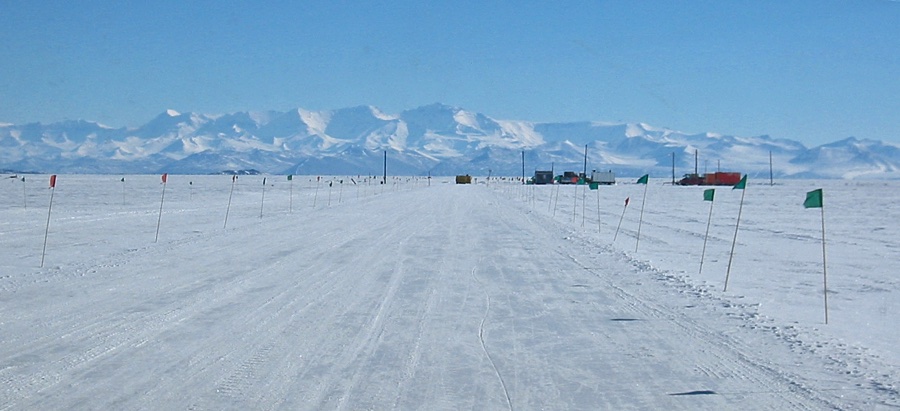
Besides the skiway (runway) there wasn't much at Pegasus aside from some maintenance buildings and the operations building. But just a couple of kilometers further on there was...
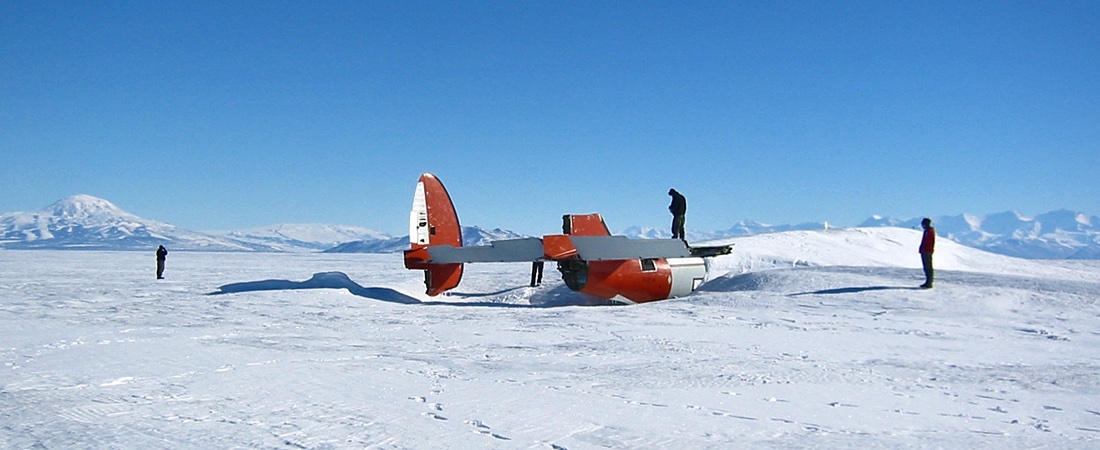
...a crashed plane that was named Pegasus. The plane is an old Lockheed Super Constellation C-121J that crashed at 20:10 on 1970OCT08 during the first flight to Antarctica of the 1970-1971 season. These planes were used to get people and cargo to and from Antarctica back then along with C-130 Hercules planes. Two Hercs and five Constellations came down to McMurdo that day. The Pegasus was the last of the bunch and got caught by the increasingly bad weather conditions. Only five people suffered any injuries out of the 80 that were on board. The weather after the crash was so bad that it took three hours just to locate the plane and begin rescue operations.
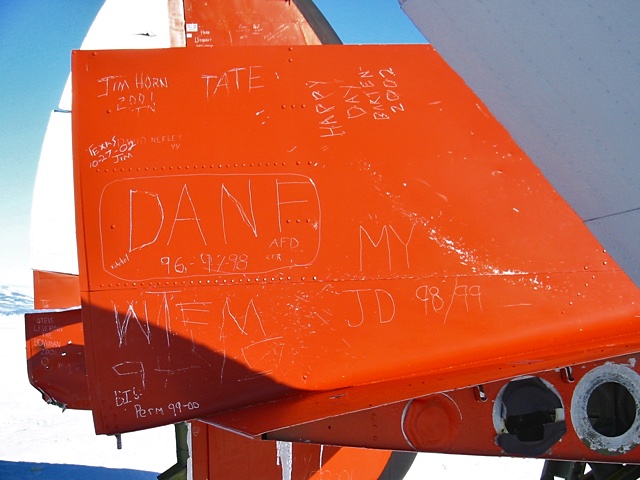
The plane was stripped of its useful parts a long time ago and is now just used as a place for people to leave their mark. Kind of like how dogs leave theirs.
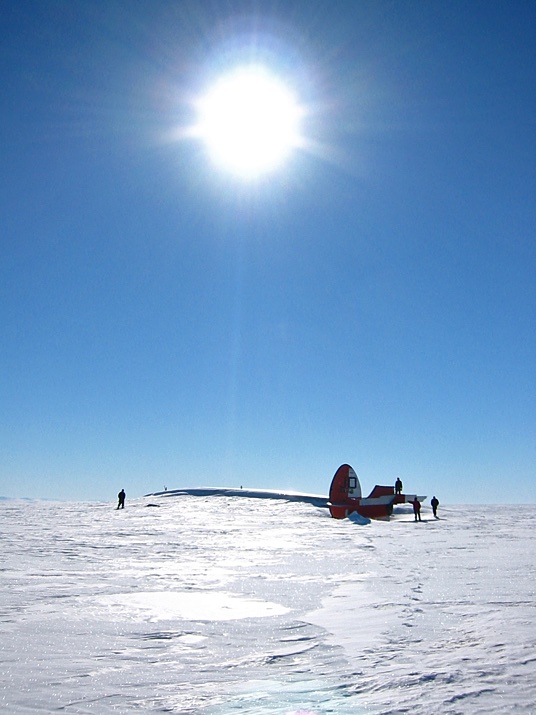
If the ground had been covered with sand we might have been out in the middle of the desert.
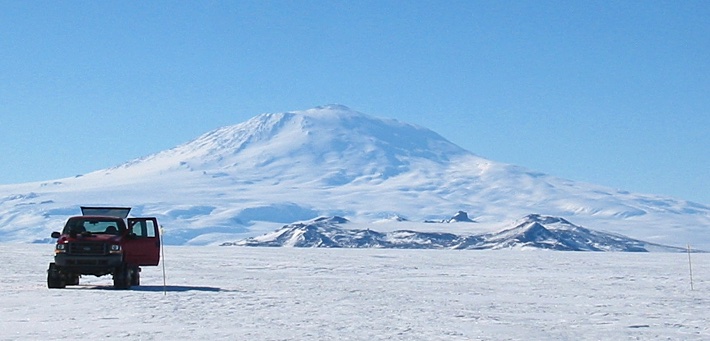
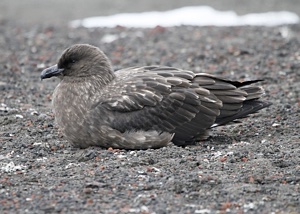
Above is a picture of McMurdo and the tip of the Hut Point Peninsula from about 14 kilometers away, as the skua flies, taken from the Pegasus crash site. This picture is looking back up the peninsula towards where we were at A Room With A View. Observation Hill is in front of Crater Hill on the right, Castle Rock is sticking up in the middle, and McMurdo is below and to the left of Castle Rock where the land meets the ice. The small picture is of a skua. They are like seagulls dressed in cold weather gear. I only saw a few of them while I was in McMurdo. They are pretty good scavengers. They have to be.
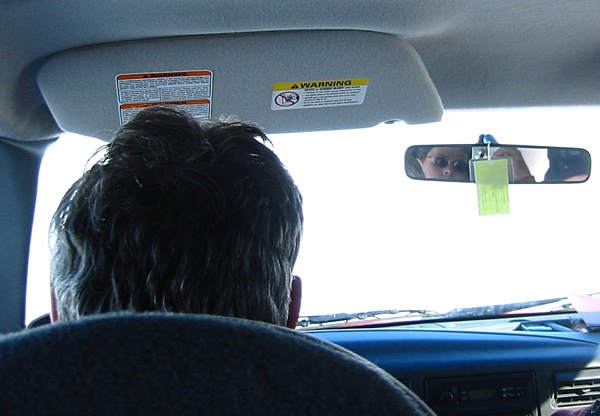
On the way back to McMurdo I was sitting in the back seat of a nice, warm Ford F350 zipping across the groomed ice roads at about 30 kilometers per hour. I found myself feeling great sadness for Scott, Shackleton, Amundsen, all the others, and all of their men who must have endured so much just to see the over 75 kilometers that we covered in comfort, and in just a few hours. It's too bad they couldn't have had just a fraction of the conveniences that we have now when it comes to "Antarctic exploration".
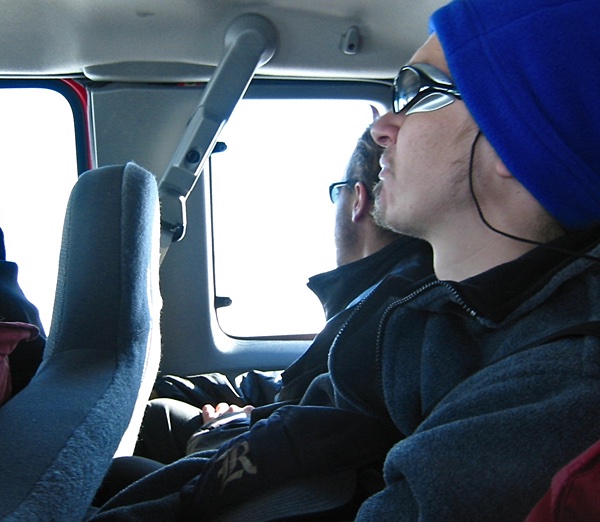
I also felt somewhat embarrassed by men like Scott, Shackleton, and Amundsen.
If it were up to them we would have grabbed some dogs, a couple of sleds,
and been at Onset-D camp a long time ago! I think it all comes down to good
or bad management. 
2018-03-05