


(I'm not sure which one is correct.)
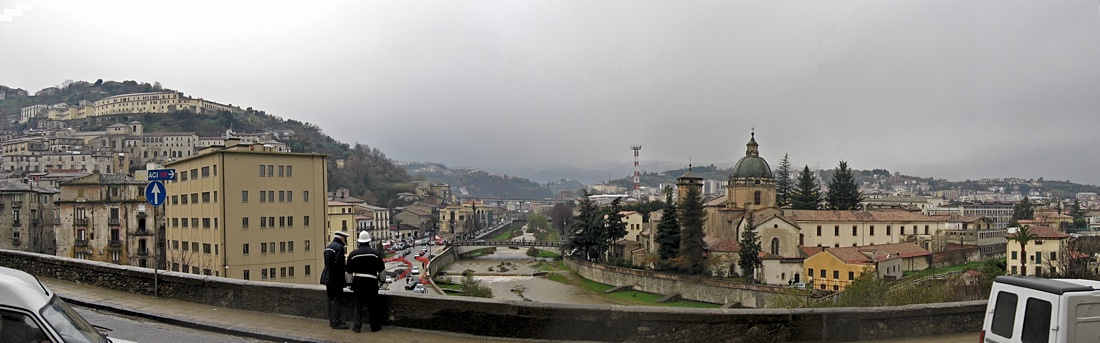
About 250 kilometers south of Grottaminarda was the city of Cosenza, which was an important economic and cultural center of the region of Calábria. It is located in the Catri valley, where the Busento and Catri rivers meet. The town was made up of an old city center on the slopes of Pancrazio Hill, and a modern area lying in the plain beyond the Busento. The city's history goes back to the days of the Magna Greece civilization of roughly several hundred years B.C.
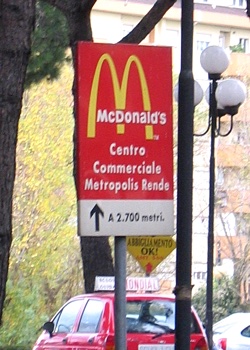
And I didn't think that I was going to get to see any of these restaurants on this trip. Cosenza had one. Very few of the places where we hung out on this trip had anything even remotely like a McDonalds. I did not eat there, of course. That would have been somewhat sacrilegious.
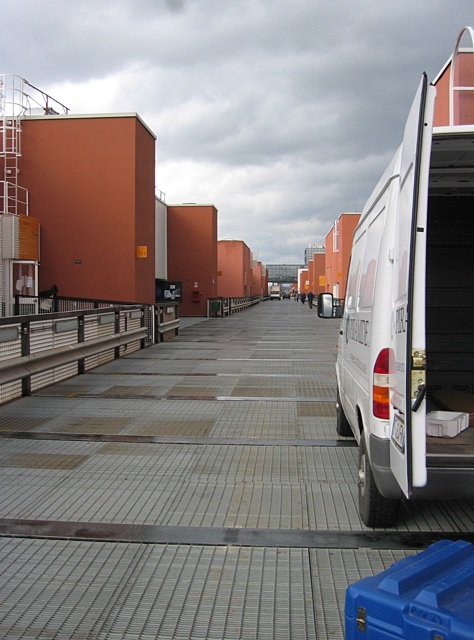
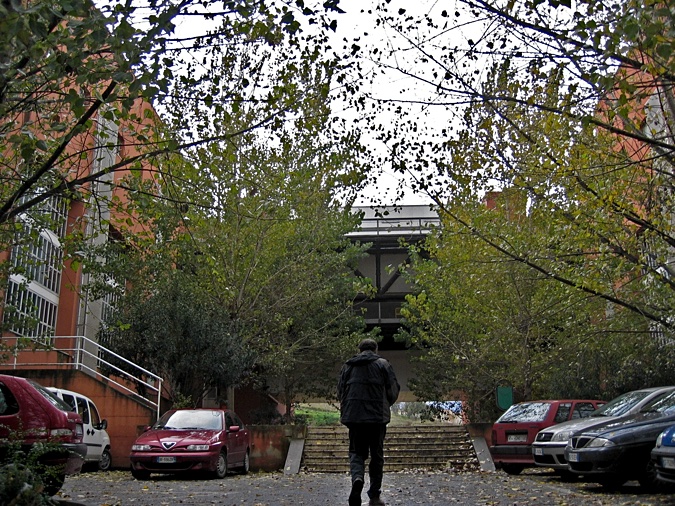
We were in town to meet up with some contacts that we had at the University Of Calábria. The complex of buildings that made up the university were, get this, two kilometers long. !! The first picture above is the truck full of equipment from Grottaminarda on the elevated "road" that was even with the 5th floor of all of the buildings.
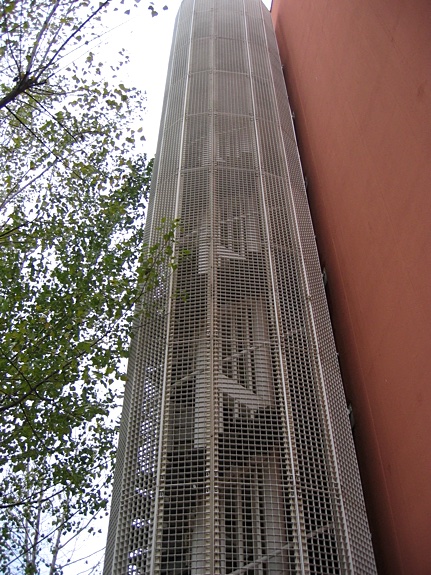
There were six floors to the buildings.
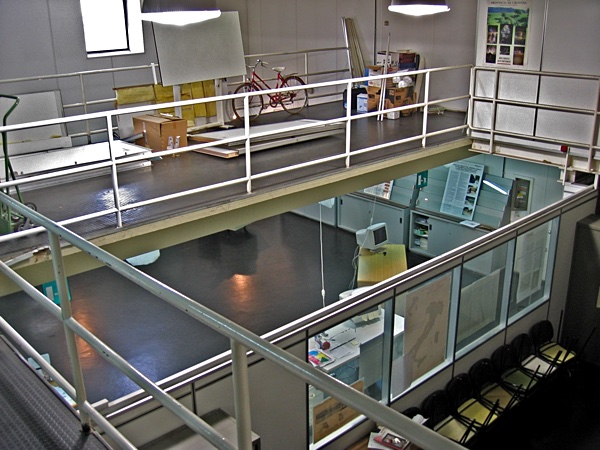
The lab area was open and airy.
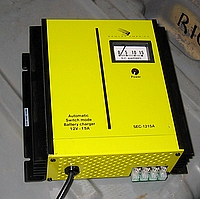
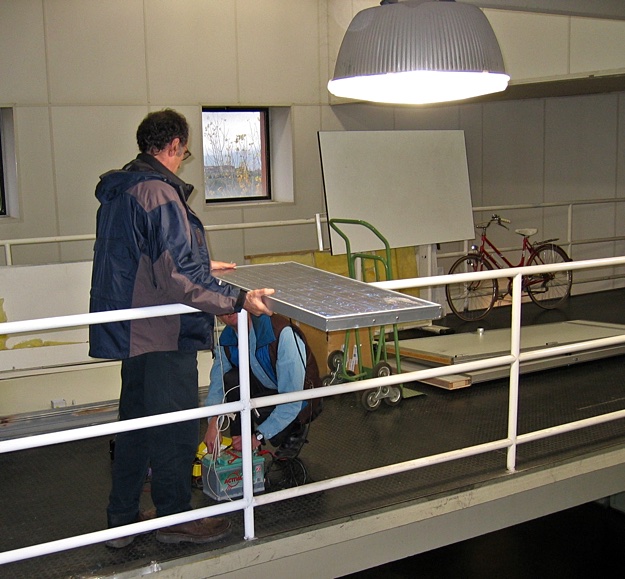
It was thought early on in the planning phase for the project that most of the installed stations would be powered with solar panels. Only seven battery chargers were shipped. Actually, that is all we had in Socorro to ship. We quickly exhausted the supply of them as we kept finding suitable locations indoors, and with reliable sources of commercial power close by in which to use them. On the other hand we had 40 stations worth of solar panels. Since we were out of battery chargers Nano wondered if you could power a station by placing light bulbs over the solar panels and using the power produced by the panels. Above we tested the theory. The short answer was, of course we could power a station that way. The problem was that we would have had to have taken the geophysics building along with us. We wanted to use common fluorescent light fixtures with four long bulbs in them, then just lay those on top of a solar panel. The trouble was we could not find any to purchase. We really could have used a Home Depot. We ended up sticking with traditional methods -- putting the panels outside in the sunlight.
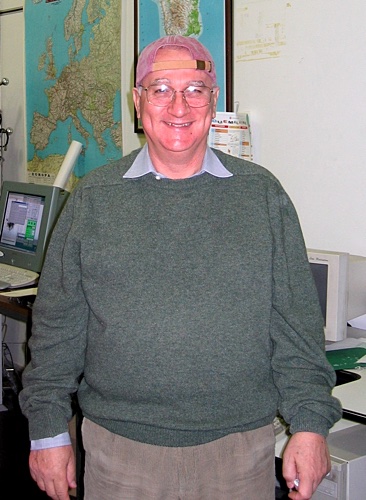
Dr. Ignazio Guerra, a geophysics professor at the University of Calábria, was our contact in Cosenza, and he seemed like a rather distinguished gentleman. That was until we put a backward-facing PASSCAL hat on him. When we did that he turned into a party animal. Dr. Guerra made a lot of phone calls in a very short amount of time and found a lot of contacts for sites throughout Calábria for us every time we were in Cosenza.
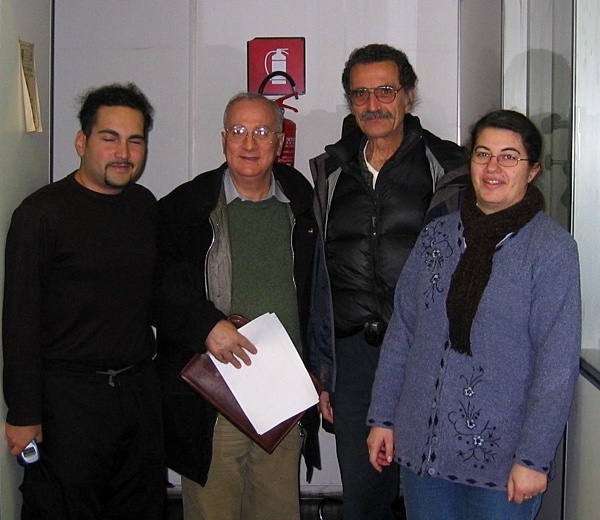
Above are Guido Guerini, Dr. Guerra, Nano, and Anna Gervasi. It WAS the last day of classes before the Christmas holiday break the first time that we were there, but I don't think Guido was really as tired as this picture made him out to be.
2018-03-05