



Castellaneta is a city in the province of Leece, in Southern Italy, about 30 kilometers northwest of the large city of Taranto (Tarentum), and about 20 kilometers from the coast of the Mar Ionio (Ionian Sea) and the Golfo di Taranto (Gulf of Taranto). Nothing much is known about the city prior to about 1080, when it was taken by Robert, Duke of Tarentum, and who expelled its Byzantine inhabitants, except, I would guess, that Byzantinians lived there prior to 1080.
The hotel that we stayed at in Castellaneta was the Hotel Rudy. That seems like a strange name for a hotel in Italy. That is unless you know that...
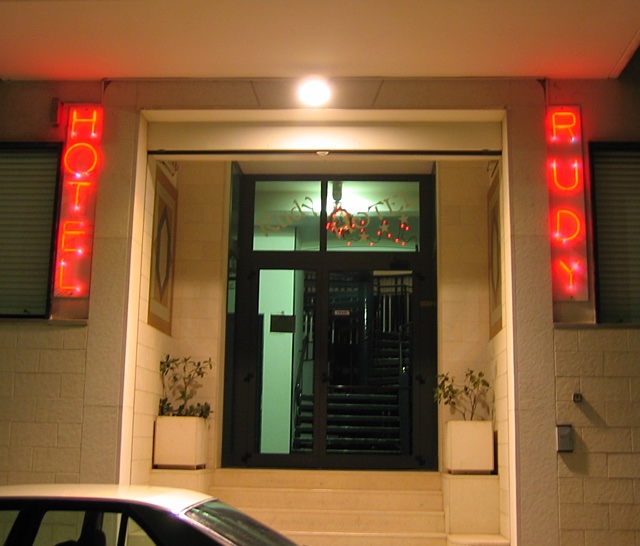
...Castellaneta was the birthplace of Rodolfo Alfonzo Raffaelo Pierre Filbert Gulemi di Valentina d'Antonguola, or since that was a little difficult to fit on a movie theater marquee, Rudolph Valentino. There were many things named in honor Mr. Valentino in Castellaneta, even the pizza that I had at the restaurant next door to the hotel at the Piazza Dell'Assunta.
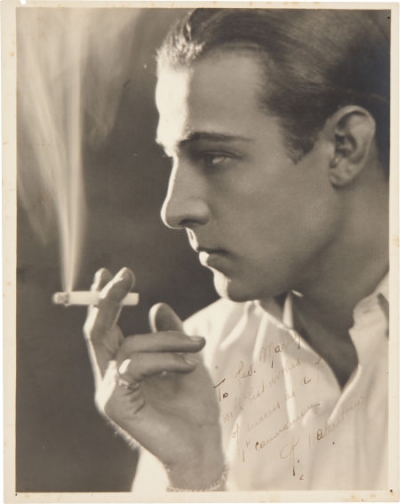
I did not take this picture.
The picture below is of the Chiesa Dell'Assunta (Church Of The Proposition) that was across the street from the Hotel Rudy. Its history dates back to the year 1000 A.D. There is a legend which describes an English sea captain's promise made to God during a terrible storm to build a church if he and his crew were spared. According to the legend they were, he did, and this was the location.
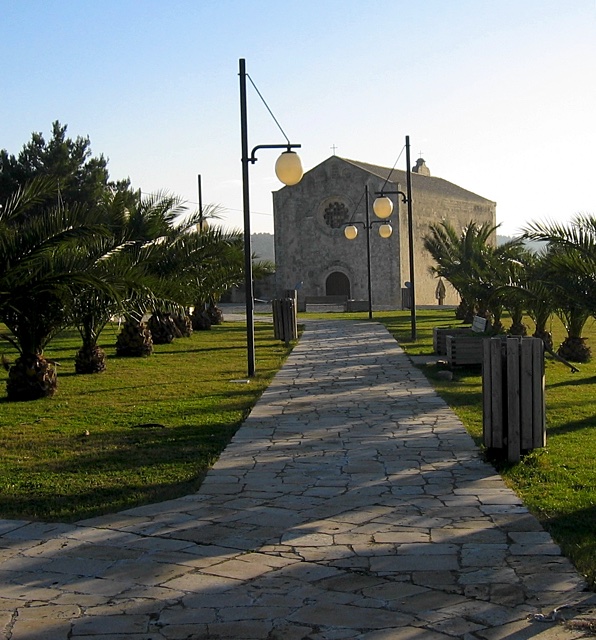
Across town from the Hotel Rudy was the Chiesa Di San Francesco d'Assisi (Church Of San Francisco). The beginnings of the church and the adjacent cloister of the Frati Minori were built in 1471. Dominica DiRocco, of Castel Del Monte fame and who was from Castellaneta, thought that it would make a good location for a station, and it would have been good, but the governing group of priests voted against it. Apparently the older priests were for it, but the younger ones voted against the idea for fear that it would attract to much attention to the place. Stations get visited once every month or so usually by one or two people, but that's kind of hard to convey. When you try to describe the whole operation it sounds much more grand.
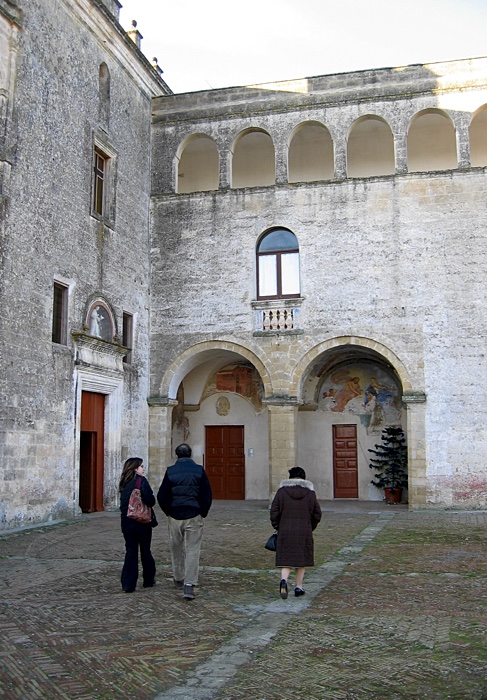
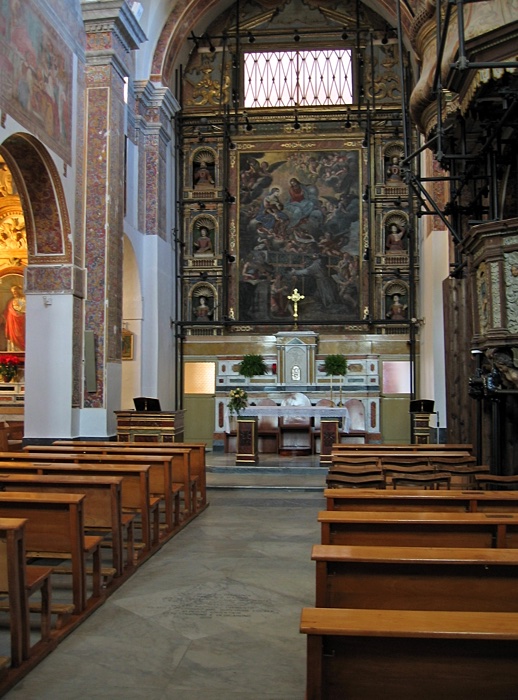
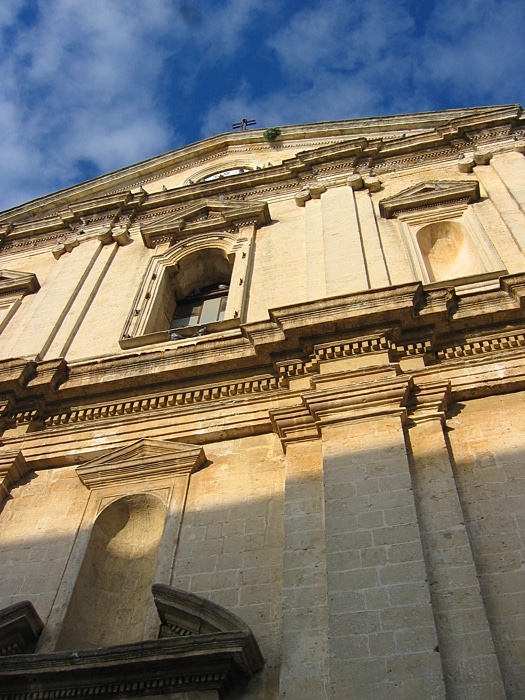
Below is Chiesa Di San Michele Arcangelo (the Church of San Michele Archangel). It is near the center of Castellaneta and the municipio building. The original structure was built over the three year period 1696-1699.
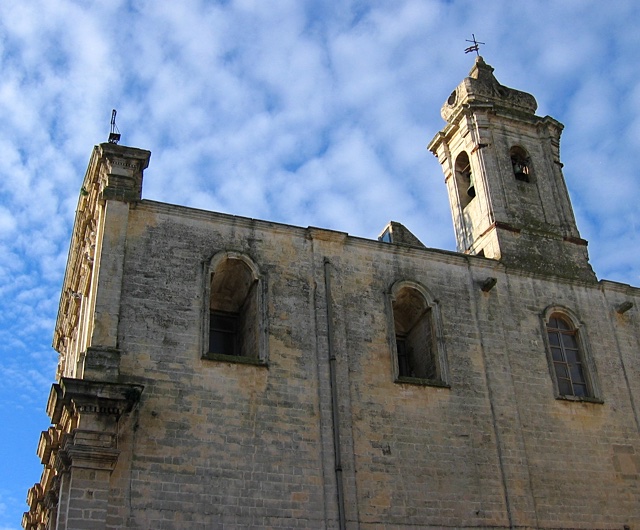
The façade of Chiesa Di San Michele Arcangelo.
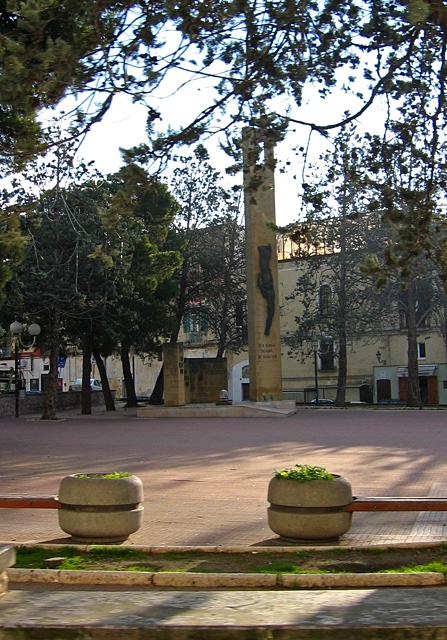
A statue in the town piazza in front of the municipio building. I did not get time to see what the statue was about.
Dominica's "Plan B" was to talk to Castellaneta's city architect, Daló Pasquale, whose office was in the municipio. It just so happened that he was the controller of a restaurant that was owned by the city, (the) Il Casone, which was about 6 kilometers west of town. Out of town is a good thing. Less noise.
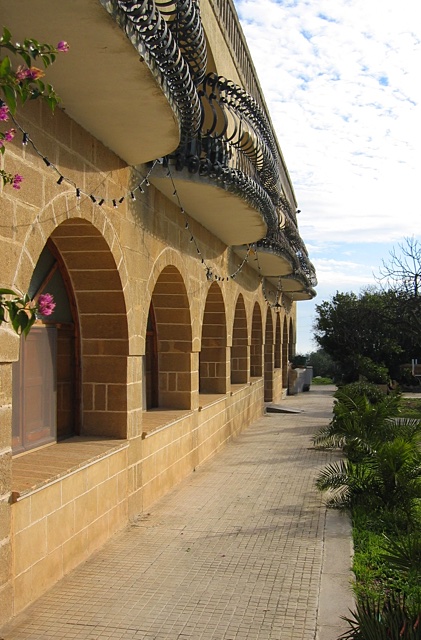
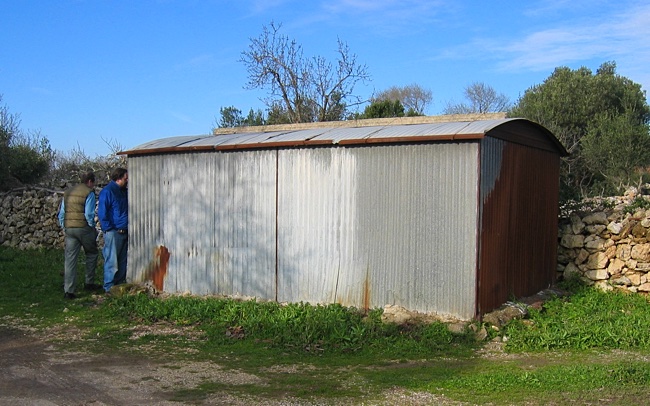
Behind the building was a tin shed that appeared to have been built as a garage, but that was not being used as one. We were not able to contact the the person, Nicola Bellini, that was renting the building from the city and operating the restaurant, so we were not able to install the station that day. A group did come back and install one at a later time. The station code was ILCA which stood for IL CAsone.
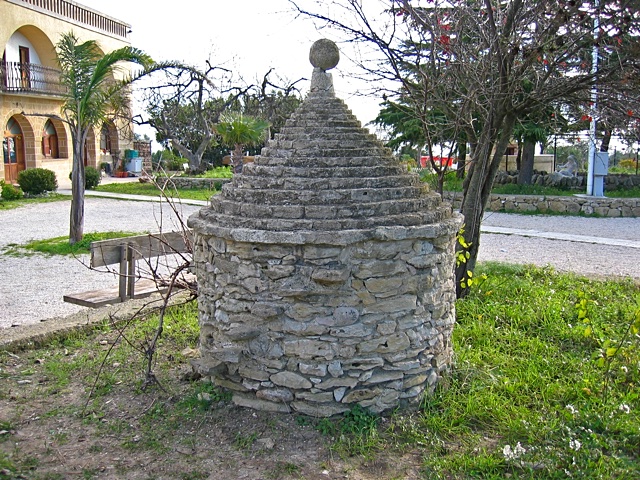
Because trees were scarce, especially after the Romans stripped as much of the forests as they could get their hands on to use as empire building materials, and because parts of Púglia did not have many trees in the first place, the people learned to build their homes and other buildings with rocks arranged in layers. Buildings, which ranged in size from dog houses, like below, to full-sized houses were scattered all over the countryside. These types of buildings were called trulli.
2018-03-03