


This project falls under the category of a long-term, short-period experiment. The recording instruments were to be left in place for about six months. During this time it was hoped that they would record the "movement" of liquids injected back into the geothermal field in an attempt to revitalize some steam wells, and to record the same for a test where solid waste (as a result of the steam production) was to be mixed with liquids and injected back into the ground. A whole bunch of nasty chemicals come out of the ground with the steam. The easiest way to get rid of them is to inject them back to where they came from.
The equipment was tested in Socorro, packed up, and sent to the Philippines in late January. Twelve stations using the RefTek 72A-07/G recording instrument, or Data Acquisition System (DAS) were to be set up in the field. Thirteen of everything was sent (It's OK. I was born on Friday the 13th) with the intention of installing twelve, and having one set of everything for spares.
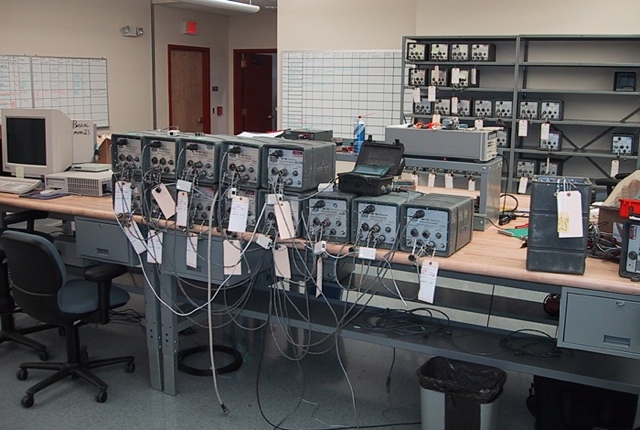
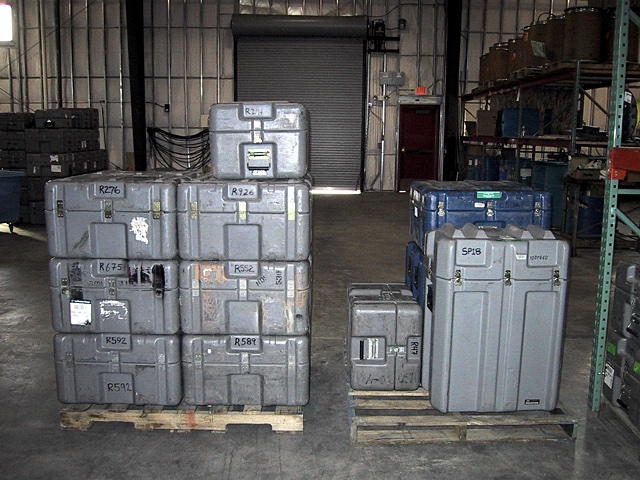
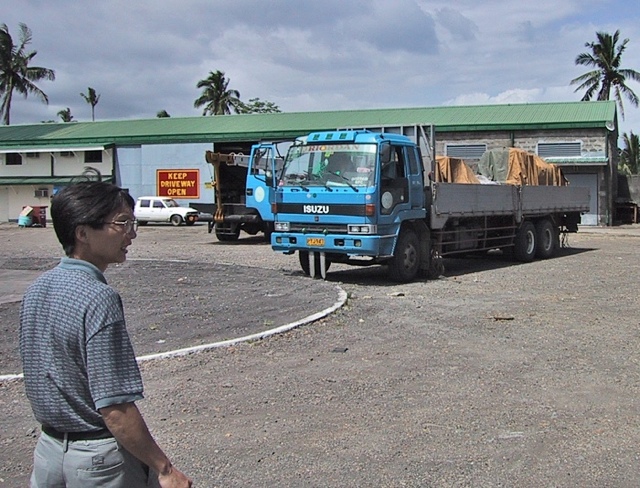
The equipment arrived from Manila the same day that I did on the back of a large truck, except I came by plane.
The first thing to do for this type of experiment using this equipment is to conduct a "huddle test". In a huddle test as much of the equipment as possible is set up and programmed just like it will be installed in the field. The equipment is allowed to run for a period of time. The data is then downloaded and analyzed. This shows us if any of the equipment needs to be repaired before it is carried off into the jungle. Most of the time problems found during this test are caused by the equipment being jostled around during shipping; connectors coming loose, printed circuit cards wiggling out of position, etc. During our huddle test only one recording instrument needed minor attention to get it working again.
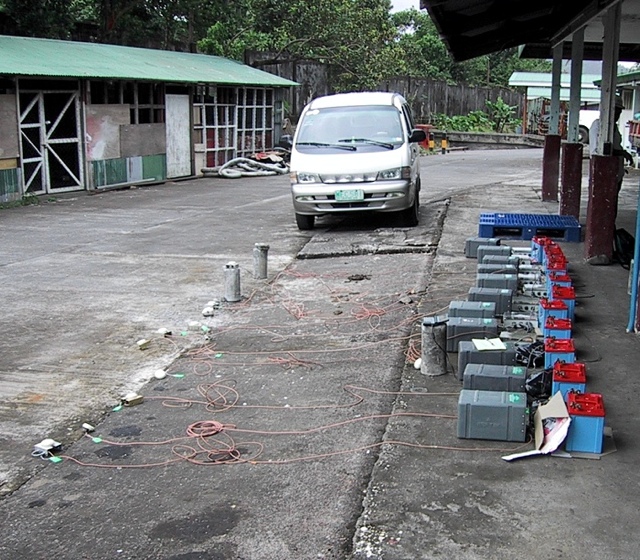
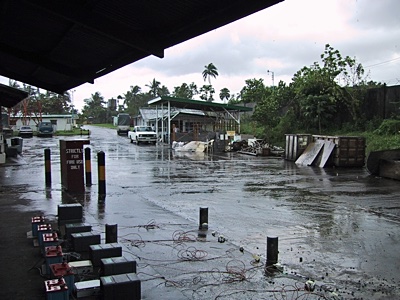
Above is a photograph of our huddle test. We had to set the instruments outside, and run their GPS antennas out into the road. All of the buildings and open areas were covered by metal roofs, and we couldn't get a GPS signal any other way.
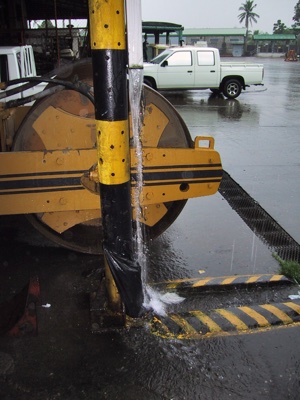
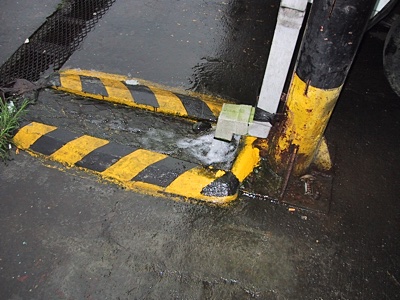
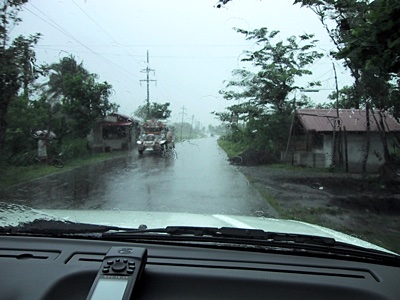
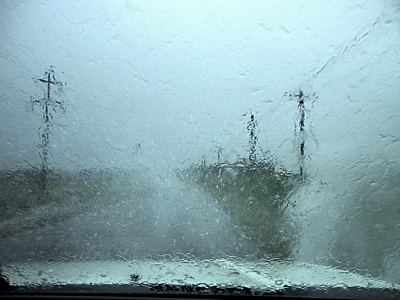
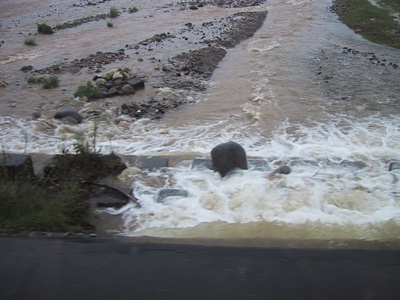
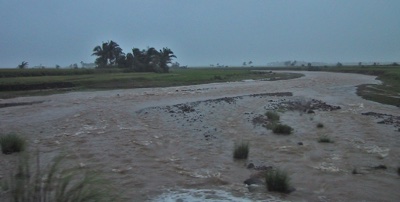
Most of the first week it rained. It rained a lot. It probably had something to do with the tropical storm that sat on top of us for a few days. It made the initial testing and deployment of the first few stations pretty unpleasant. Things tend to get a bit muddy after a couple meters of rain, even in the jungle.
2018-03-03