


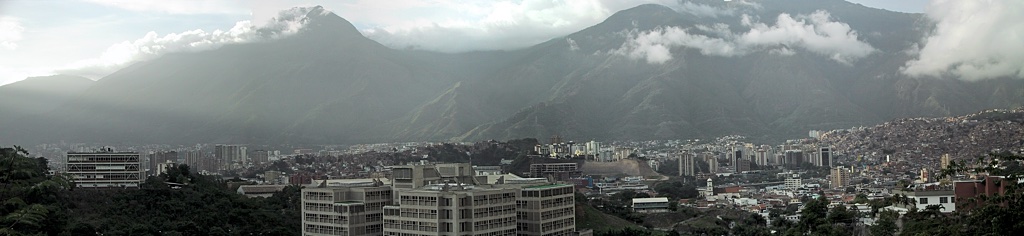
Most of our city time was spent in the city of Caracas. About a fifth of the
country's 22 million people live in the Caracas Valley. Only about three of
them spoke English.

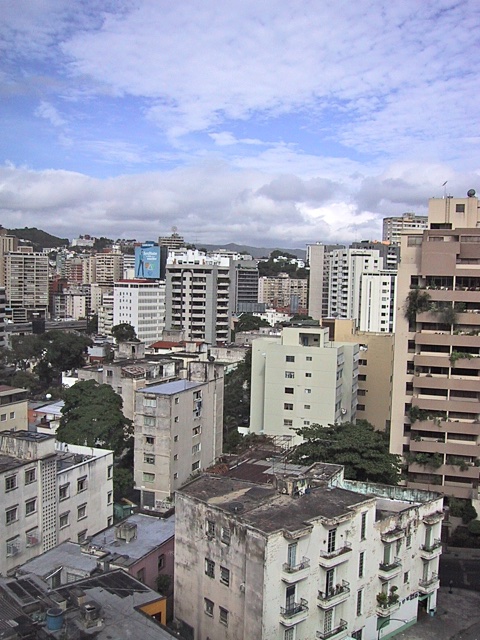
There were plenty of high rise buildings in the city. A lot of them were apartment buildings. All of them were at risk for disaster if a large earthquake were to hit, which it will.
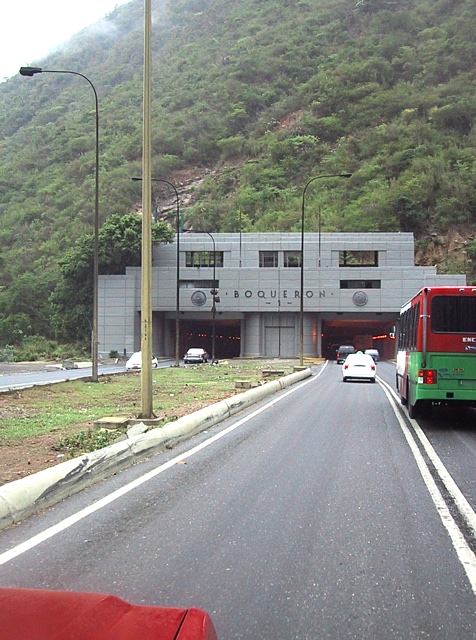
There were plenty of tunnels. The Cordillera de la Costa mountains to the north of Caracas were just too high, and the sides too steep to run roads over, so the tunnels were built. Most of them were constructed during the 1950's.
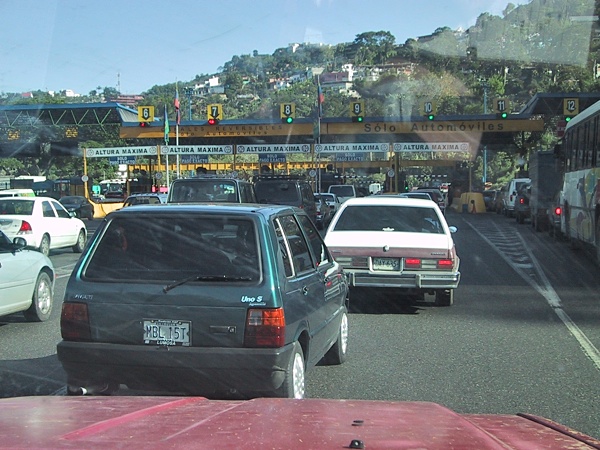
There were also plenty of toll roads. I think there were five toll stations between Caracas and Barcelona to the east.
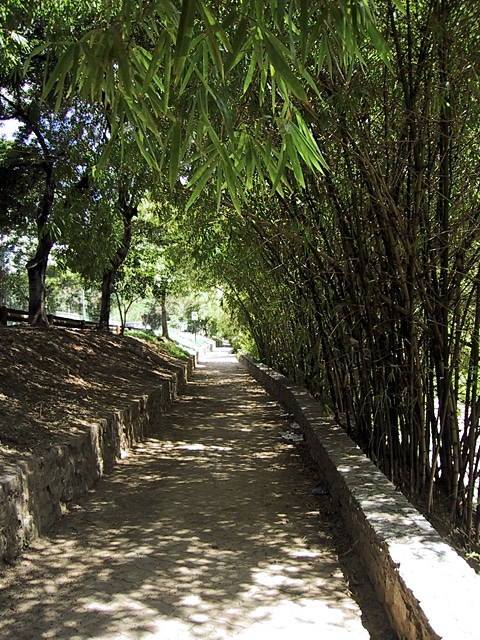
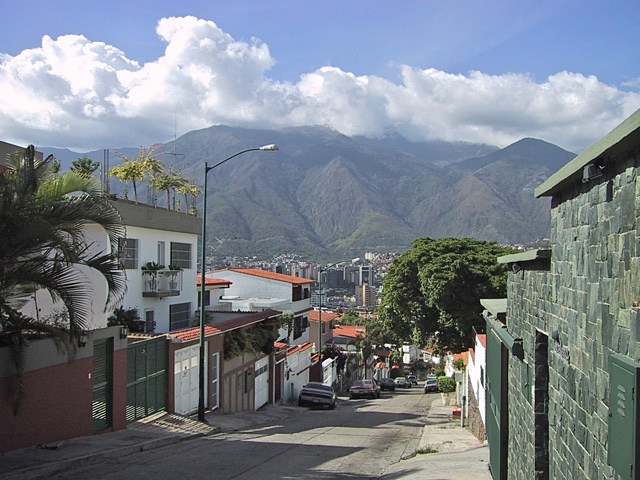
Caracas is in the tropics, and so it was pretty green there. Every map that I ever saw made me think that Caracas was on the coast. Nothing could be further from the truth. While it is near the coast, Caracas actually sits in a valley about 5 to 10 kilometers inland and at an elevation of about 1000 meters. While that isn't too far from the coast, it is the 2800 meter high mountain range, the Cordillera de la Costa, between it and the Caribbean sea that tends to drive the point home that Caracas is definitely not on the coast. The elevation of Caracas, and the effect that the mountains have on the local weather patterns, give Caracas a very nice climate. I was expecting it to be very wet and very hot. It was neither. In fact, there were some places in the smaller range of mountains along the southern side of the Caracas Valley where I wished I'd had a jacket!
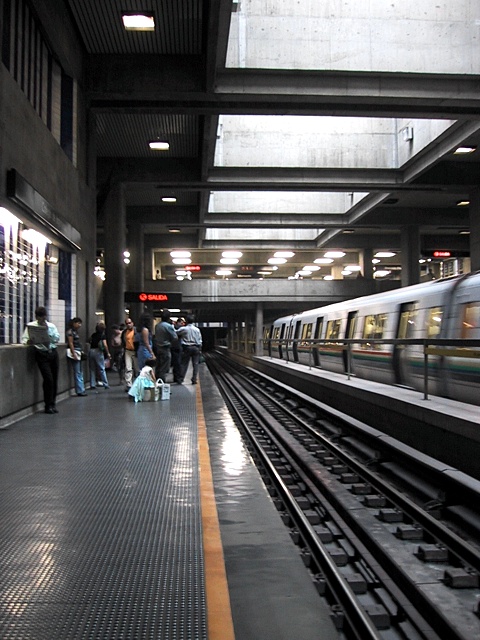
The Metro. The easiest way to get around. It runs underground from one end of the Caracas Valley to the other with a couple of branches taking off from the main line and heading south. The system was built during the late 1980's, and early 1990's. I saw a map that showed a lot of additional stations that were either planned in the beginning, or that were going to be added once the economy got back on track (no pun intended).
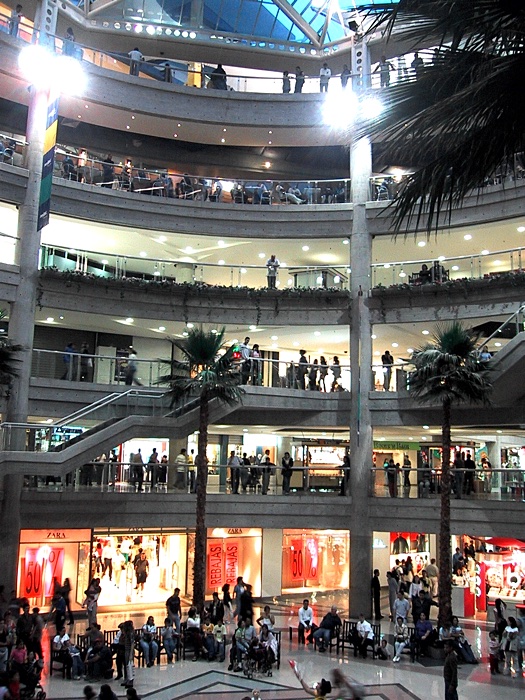
Below is a picture of one of the smaller shopping malls that was near the hotel where we stayed in the portion of Caracas known as Chacaito. One floor probably had more stores than all of the town of Socorro where I live. The 5th floor was nothing but fast food restaurants, and the movie theaters were on the top floor.
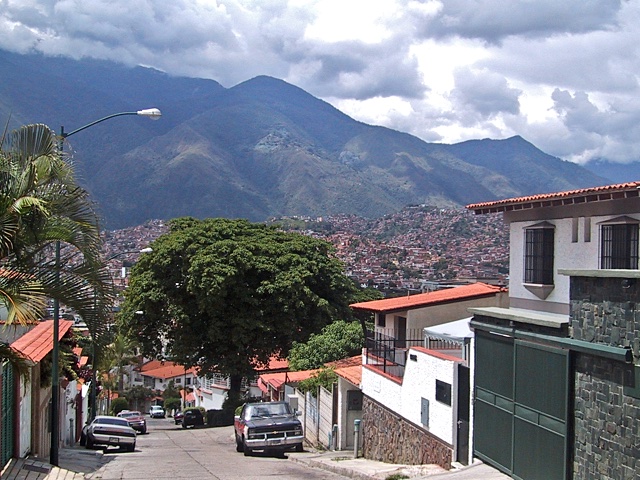
All of the houses that you see on the hill in the distance of the picture below were built on either public land, orlandthat no one cared to take care of.
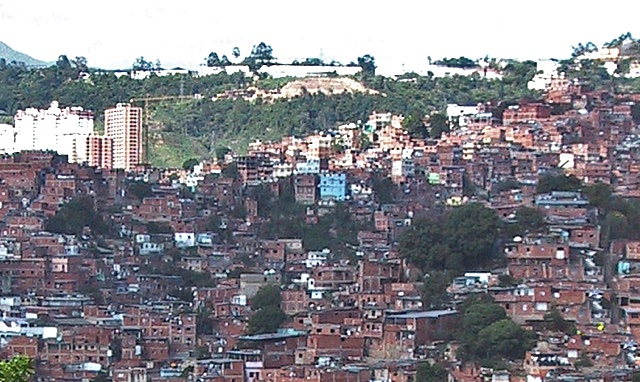
I never did get a good picture of the "informal housing" that made up a large percentage of the houses in Caracas. The best one, above, was chopped out of another picture, so it's a little fuzzy. The houses in the barrios were built, literally, right on top of each other. Some of them were five and six stories high -- with the first floor barely able to support even itself. If, and when, the big earthquake comes there will be many deaths in the barrios. Most of the areas where the barrios sprung up were too steep to be used for anything else. This also makes the barrios susceptible to damage from mud and land slides when there is a lot of rain. There was some sliding going on in Caracas when all of the big slides were going on on the coast in December 1999, but the coastal mountains protected Caracas from the worst of the rains.
These are some additional pictures of the barrio houses. In general, there were no roads in between all of the houses. There was no room, and the sides of the hills were too steep.
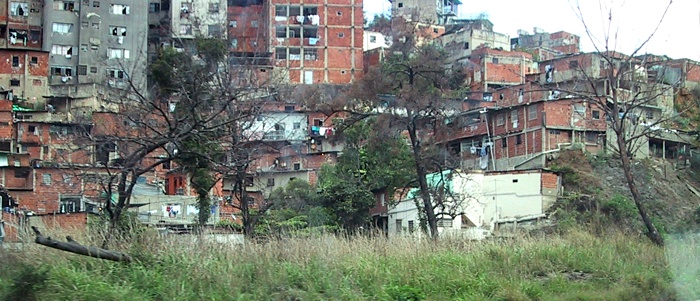
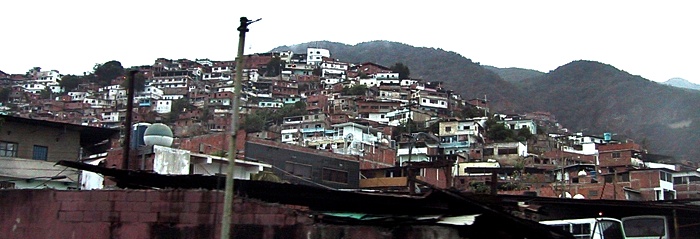
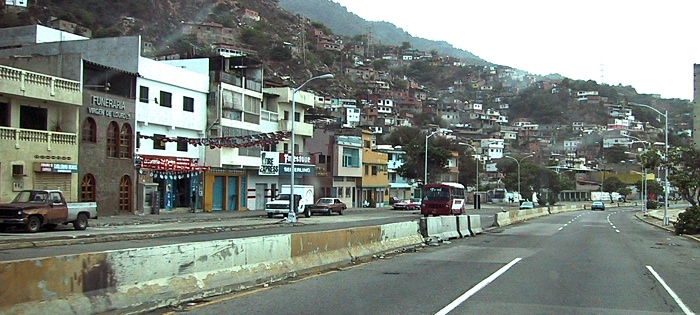
There are no houses on the sides of the big mountains to the north above the 1000 meter elevation mark. That is all a national park, the Parque Nacional El Avila.
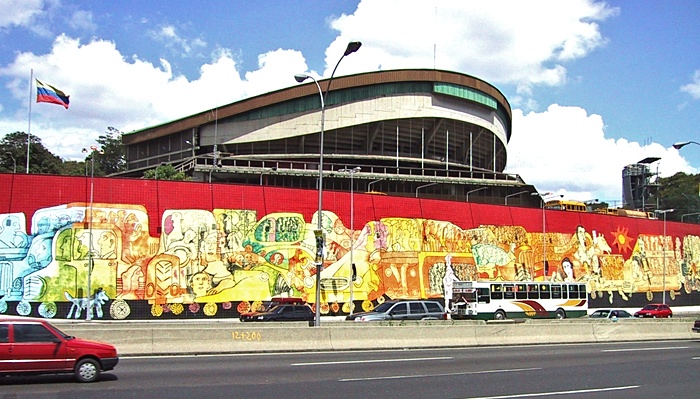
Below is a large mural that was along the autopista near Universidad Central de Venezuela.
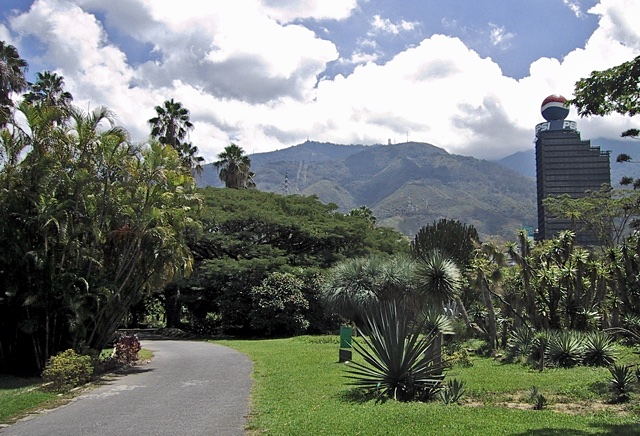
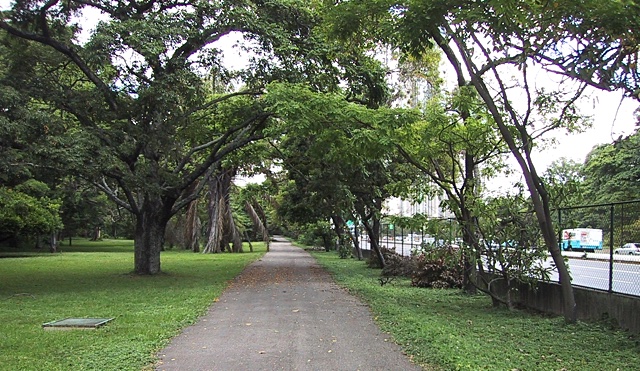
Caracas has a very nice art district, and in it is the Jardin Botanical Garden and the National Art Gallery. Below are a couple of pictures from the botanical garden.
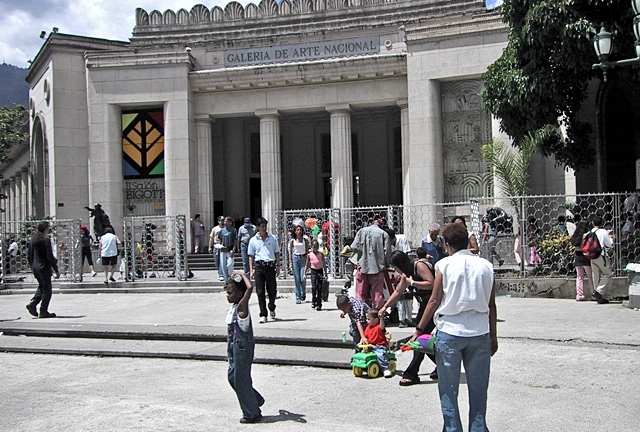
There is a very nice national art gallery in Caracas. The building in the picture below is only one of the many galleries in the art district.
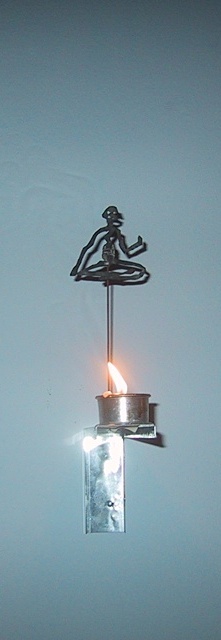
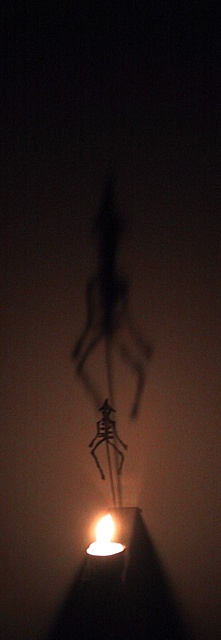
Below are two pictures of my favorite exhibit. In a dark room were about a dozen small sculptures. Each one was illuminated by a candle which made the sculpture's shadow dance with the breeze. For as simple as it was it was pretty impressive.
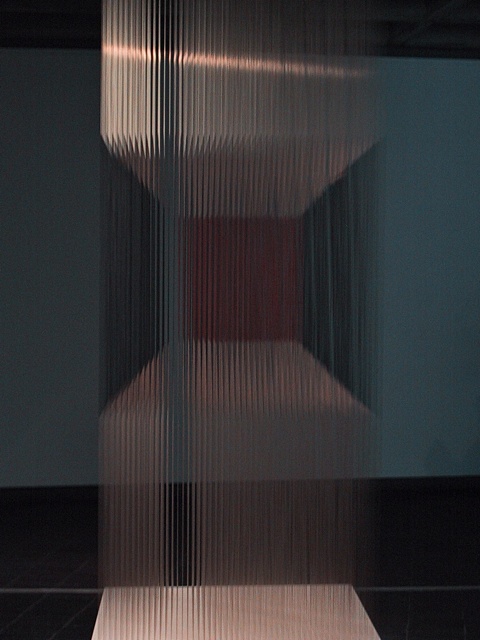
The picture below was of a sculpture by a famous Venezuelan artist Jusús Soto. It was difficult to take a picture of it, but what it is was was about 2,500 strands of what looked like heavy fishing line running from the floor to the ceiling. The strands were colored to form the image of a cube in the middle. There were several of this artist's sculptures around Caracas. Some were quite large and made of metal. All of them looked similar to this one.
This was the courtyard inside the National Gallery of Art. The two little girls in yellow shirts are actually the same girl. She moved during the time it took to take the two pictures which have been stitched together.
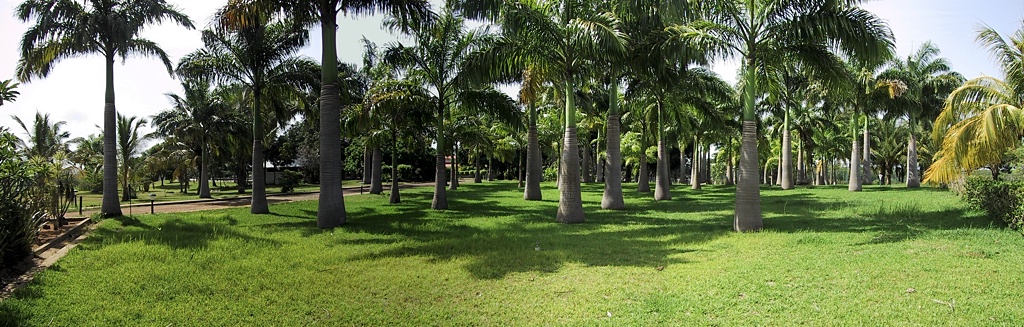
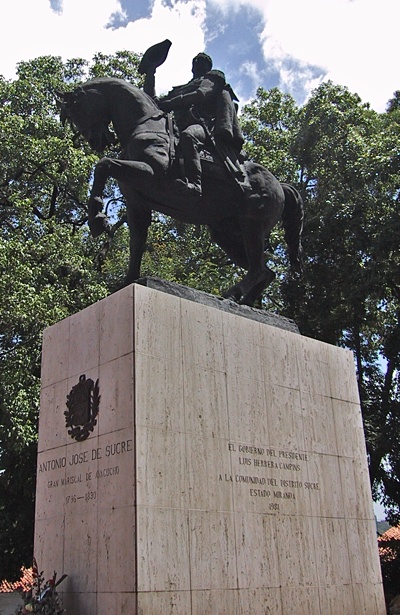
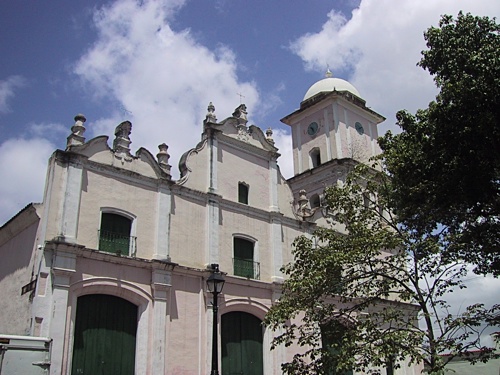
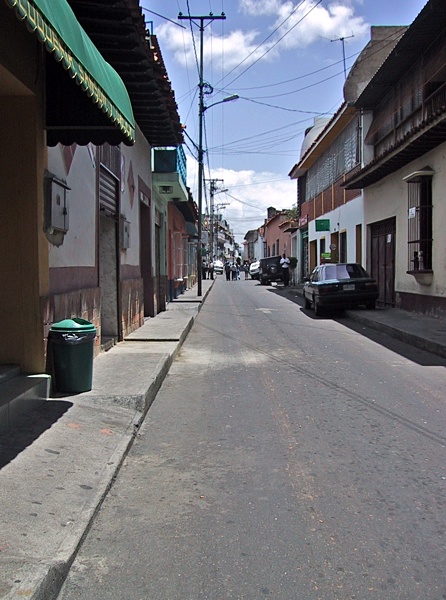
The pictures below were taken in the plaza of the town of Pretare, and one of the streets of the town, which was down the hill from the FUNVISIS offices. We walked down there for lunch one day. Very nice.
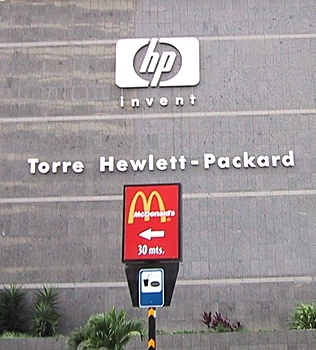
The picture below pretty much says it all for American ingenuity. We seem to have all of the bases covered -- for better or worse.
2018-03-03