


From downtown to out of town. After the data from the city deployments had been safely tucked away we moved the whole operation about 350 kilometers to the east to the Hato Nuevo hacienda near the town of San Mateo.
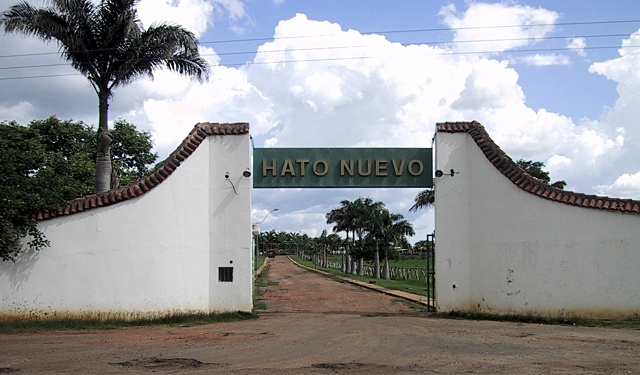
I got to swim in the pool once.
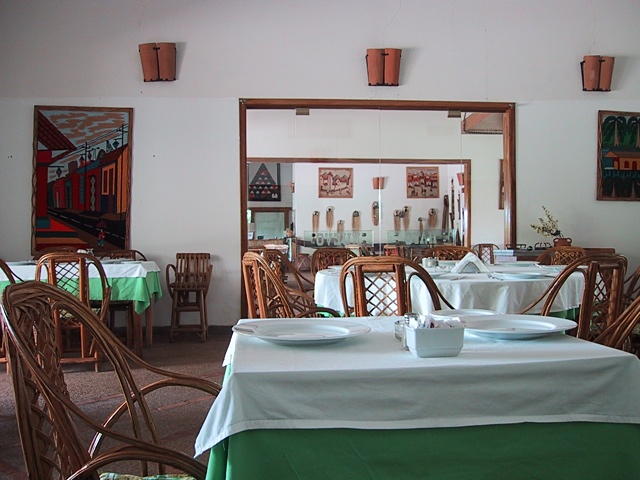

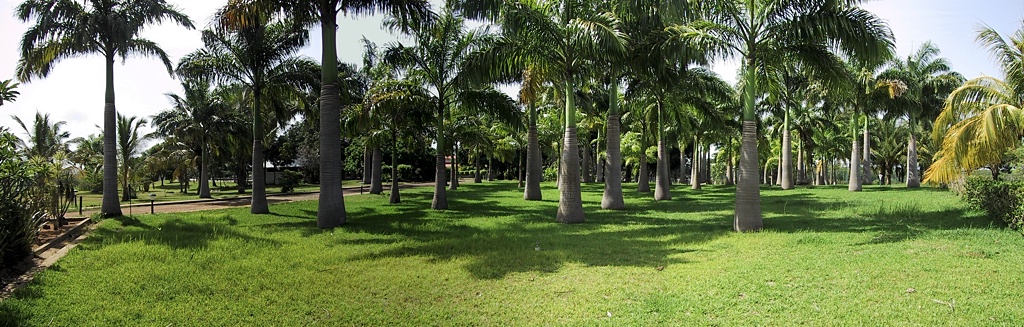
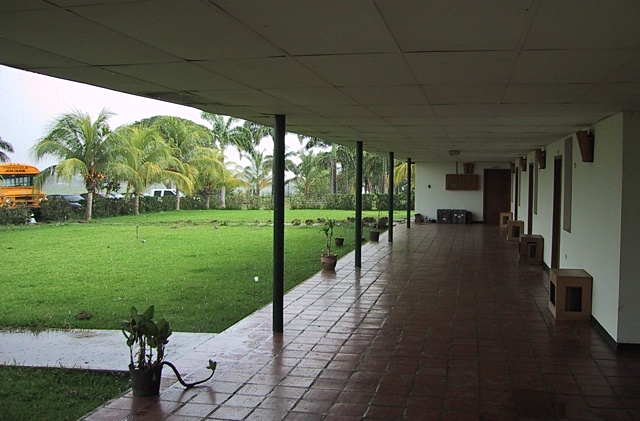
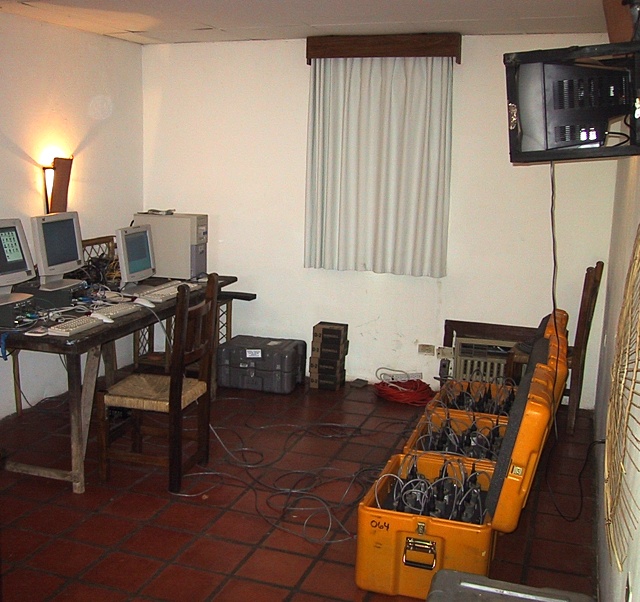
Our programming and downloading operation was set up in the room at the end of the walkway in the picture below. We just threw the beds out and brought a table in. We were able to handle six of the yellow transcases -- 90 Texans -- at a time.
15 Texans are placed into each transcase, and a cable is connected to the top of each Texan. Those cables in turn connect to a small personal computer-like computer called a bridge. The bridges are used to program the recording schedule into each Texan, as well as download the recorded data from each Texan after an experiment. Each Texan can hold up to 32 or 64 megabytes of data depending on the model.
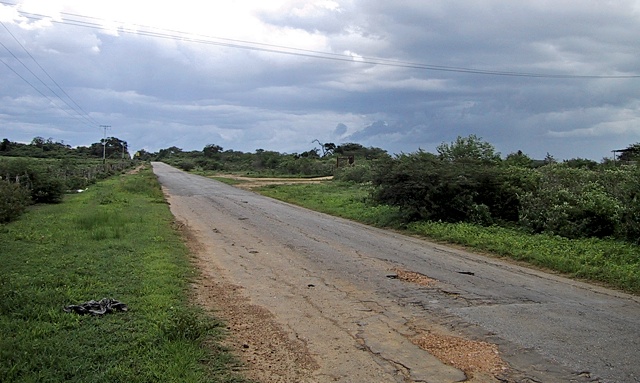
This area is the Oriental Basin. The land is much flatter and lower in elevation than the area around Caracas. The area is also Venezuela's major oil producing region. There were a lot of long, straight roads running all over the place. They were roads built by the oil industry to get to all of the oil wells. There were also many pipelines.
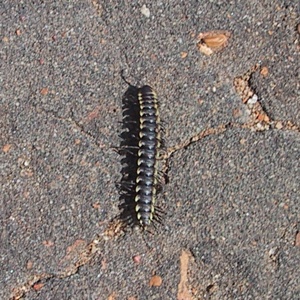
I knew that they had to be hiding somewhere. When I said before that I had expected it to be hot and wet in Venezuela I actually expected it to be hot, wet, and full of bugs. Caracas, I guess because of the climate and the elevation, had surprisingly few bugs. There were a few mosquitoes, usually hanging out indoors by the air conditioners, instead of outdoors, but that was about it. When we got to San Mateo we discovered where a large number of the bugs were hiding.
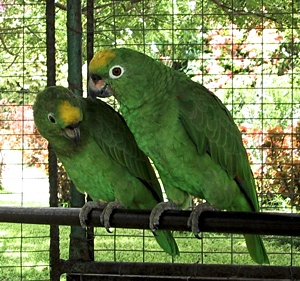
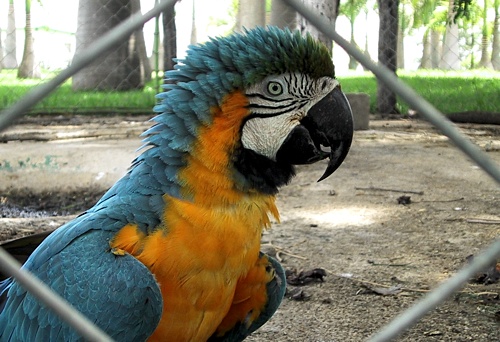
There really are parrots in South America. In addition to the few that the hacienda had on display in large cages, there were others hanging around in the trees in the area, out in the wilderness areas, and even in Caracas.
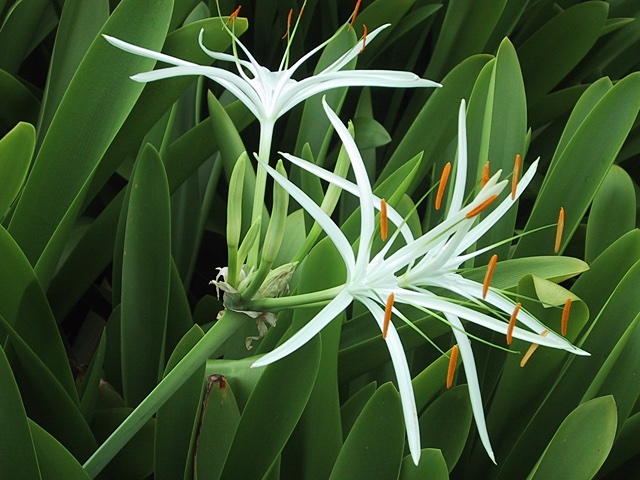
This was the only decent flower picture I took during the whole trip. I'll try to do better next time. It appeared to be some sort of lily.
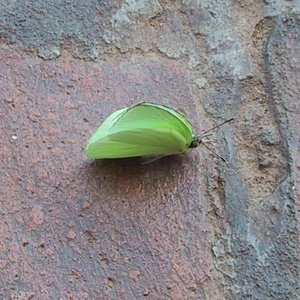
For those of you into mathematics, chaos theory, and meteorology, here was one of the little suckers that is causing our screwy weather in the United States. It must have been that time of the season, because there were some areas that were just inundated with these yellow butterflies.
2018-03-03