


From before Christmas until after New Year's John and I were on our own. Not knowing a bit of Italian did not leave us many options for things to do. Just ordering dinner was a challenge. Finding new locations for sites was basically impossible. Trying to explain that you wanted to leave a portable seismic sensor, a digital acquisition system recorder, and a car battery or two in someone's basement, not to mention that we also wanted either some of their electricity or that we needed to knock a hole in a wall so we could leave a big, shiny solar panel mounted somewhere just was not covered in any hand waving and grunting dictionary that we knew of, and neither was it covered in any English-Italian phrasebook that we had. Since we could not install anything we decided to start making "service runs" and visit already installed stations to see how they were doing.
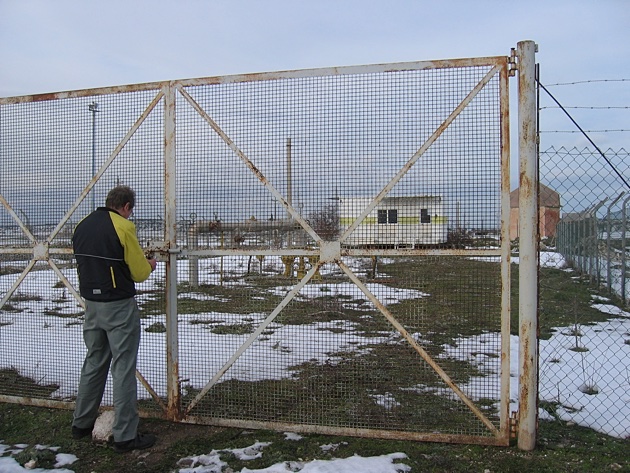
When we arrived at the Minervino site it was clear that something was wrong. The gate to the well area was open, but the lock was still locked.
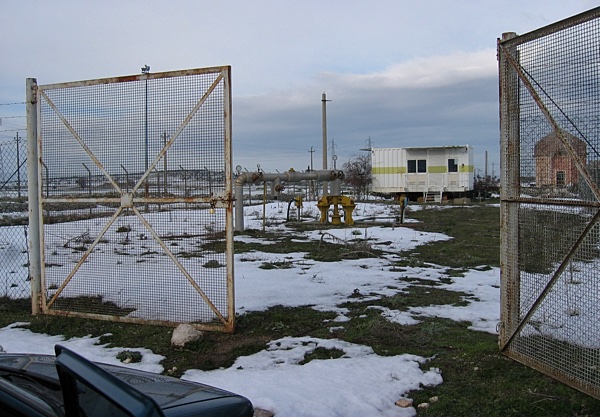
The solar panel that we had left on the handrail was also gone. That is never a good sign. The site had been vandalized. To add insult to injury, after we got the data from the site back to Grottaminarda, we determined that it happened about 42 hours after we installed the site about three weeks earlier. The power cable to the solar panel had been clipped, which blew a fuse and killed power to the station, so it did not even get to collect data until the battery died. That was alright though, because there was more. We just did not feel the site would be safe since "they" now knew that the equipment was there, so we began to pack everything up once we got the equipment powered up and examined things further.
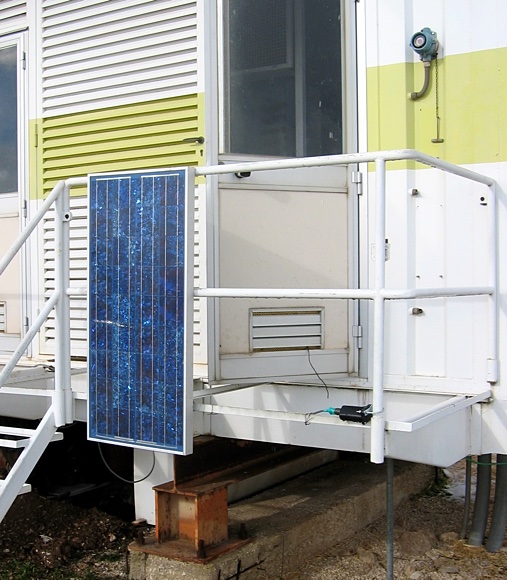
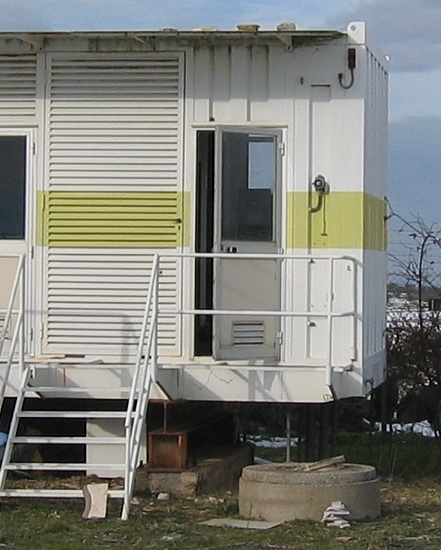
The sensor acted "funny". Not funny "ha ha", but funny strange. Part of the installation and servicing routine is to check the operation of and some voltage values associated with the sensor. The values that we saw indicated that the sensor was not very level. Broadband sensors need to be VERY level to operate properly. The electronics can compensate for some tilt, but not much. These sensors also need to be "locked" while being transported and installed so that tiny hinges attached to the moving parts will not be damaged. Once the sensor is installed and level the elements are unlocked so the moving parts can sense the movement of the ground. All of the electronic indications that we saw did not add up to anything good. We did not bring any digging tools since we were not expecting to have to dig anything up, but we managed to find a flat piece of wood and used it to scrape and scoop away the dirt from the buried sensor.
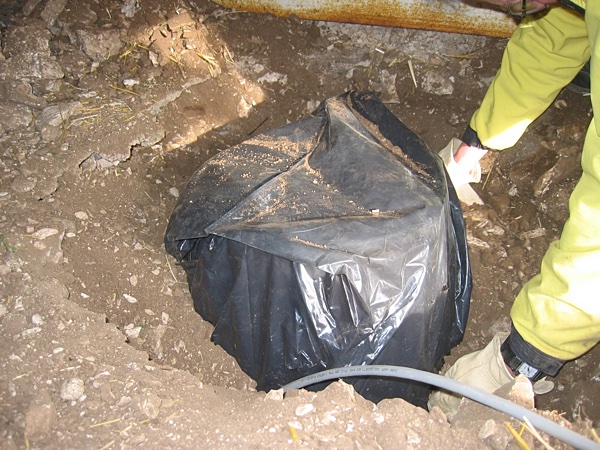
We did not know what we were going to find when we lifted the sensor cover away, but before we even got that far we could see that the cable running from the recorder to the sensor had been pulled on and we were not anticipating any good news. We were not disappointed. Whoever pulled on the sensor cable was not able to pull the sensor out of the ground, but they were able to tip the sensor over. Tipping over, or even just shaking an unlocked sensor spells certain death for the hinges that allow the moving parts to be free and sense movement of the ground. The damage to this sensor was pretty complete. There were a number of loose parts that could be heard rattling around inside. That generally meant that the sensor could not be repaired. I did not even bother to take it apart while I was in Italy.
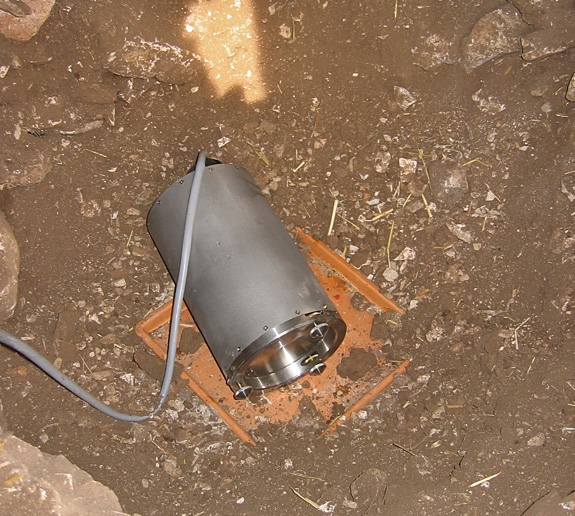
We finished removing all of the equipment and packed it all into our vehicle. We locked the gate when we left.
2018-03-03